
Company News
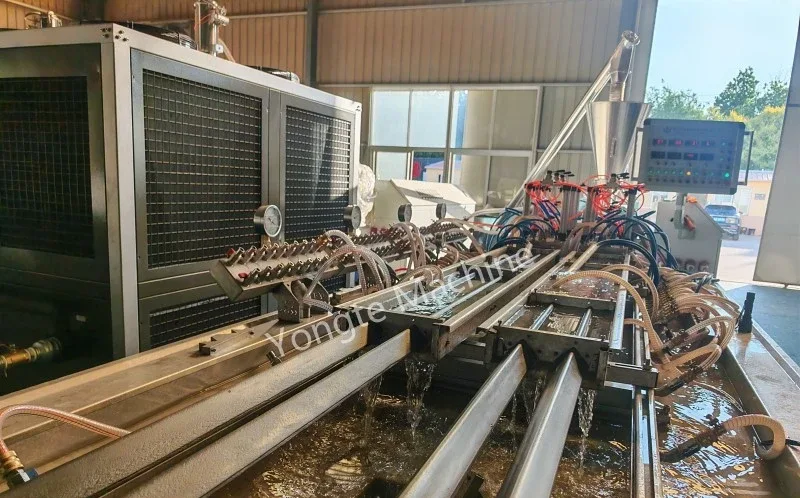
4-Cavity Plastic Profile Extrusion Machine Passes Strict 2-Hour Continuous Stable Operation Acceptance Test with Recycled Composite Materials
Yongte’s 4-Cavity Plastic Profile Extrusion Machine Passes Strict 2-Hour Continuous Stable Operation Acceptance Test with Recycled Composite Materials.The equipment achieved flawless continuous stable production for two full hours with mixed recycled plastic and textile fiber composite materials, fu......
Read More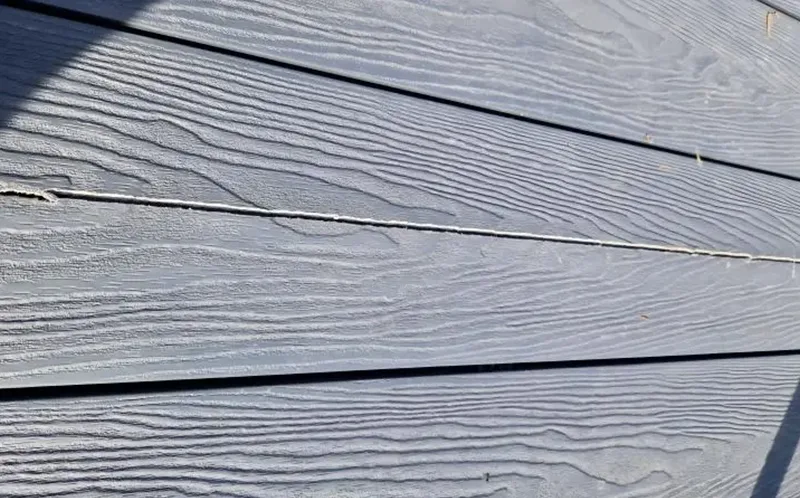
Reason of Cracking in WPC Decking
Yongte Plastic Machinery is a professional manufacturer of WPC decking machines, offering comprehensive solutions that transform waste plastic and wood sawdust into high-quality wood-plastic composite (WPC) profiles—enhancing dimensional stability while providing optimized formulations and productio......
Read More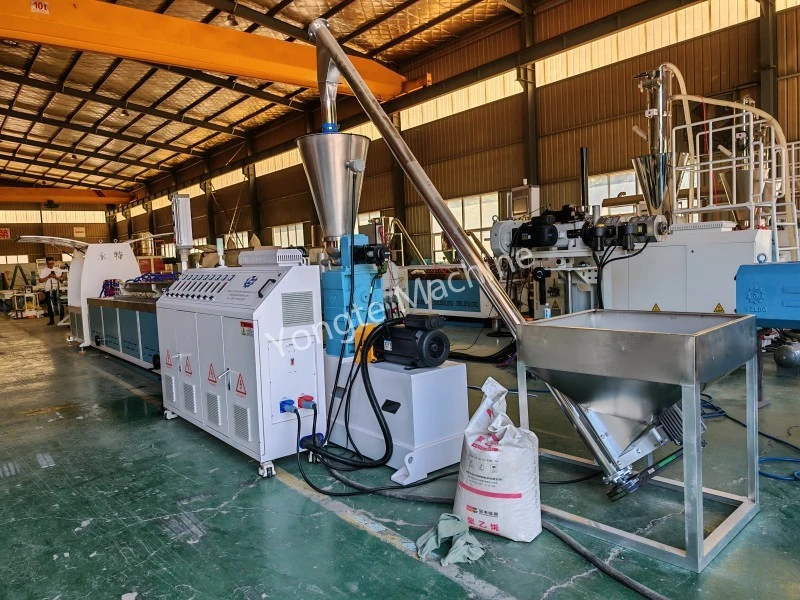
Successful Commissioning of Rubber Foamed Soaker Pipe Production Line for Indian Client
The complete Rubber Foamed Soaker Pipe Production Line arrived at the Indian customer’s factory in early October. Our engineering team provided comprehensive on-site and remote technical guidance, covering machine commissioning as well as formulation development.
Read More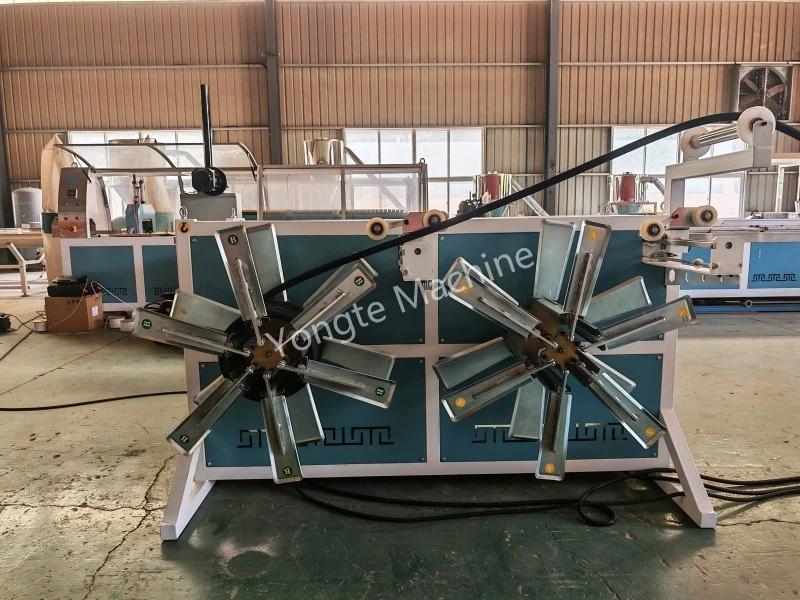
How to Make Rubber Soaker Pipe from Rubber Tyre Wastage?
Yongte rubber soaker irrigation pipe processes scrap tyres into high‑purity rubber powder, and further extrudes the powder into premium rubber soaker irrigation pipes. This solution balances environmental governance, resource regeneration and commercial profitability, bringing sustainable revenue op......
Read More