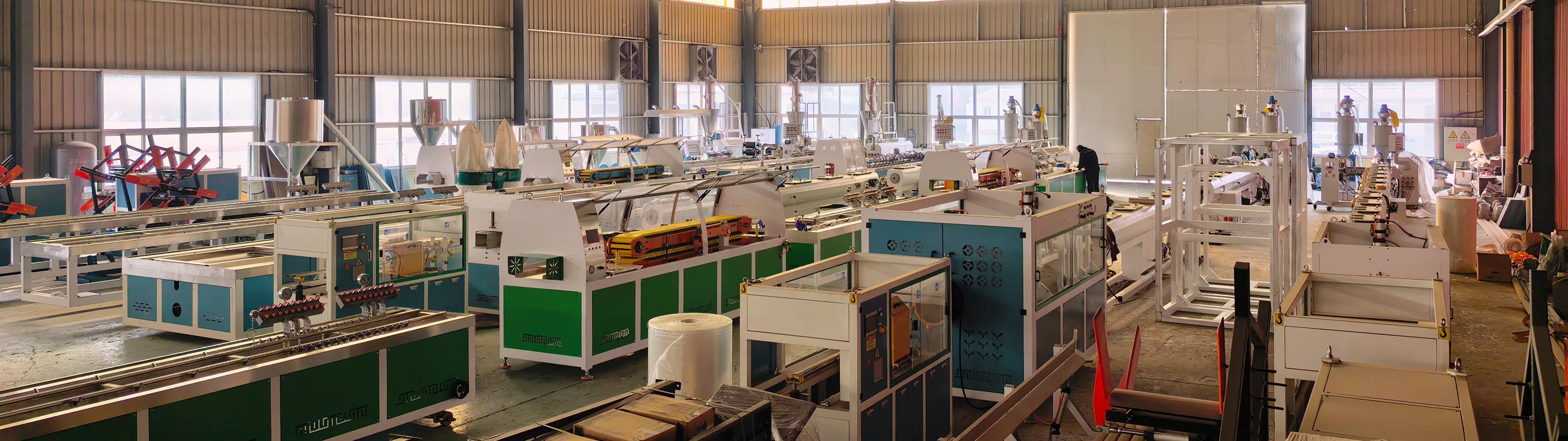
PPR pipe welding (also known as heat fusion welding) is a core process to ensure leak-proof, high-strength pipe connections. As a professional manufacturer and supplier of PPR pipe machine in China, Yongte supply he following steps apply to most manual, semi-automatic, and basic automatic PPR welding machines, with key precautions to guarantee welding quality.
PPR pipe mold is one of the core component of PPR pipe extrusion line which is specially used for control the PPR pipe size and thickness. The service life of ppr pipe molds is not fixed,primarily determined by three key factors:Mold material,production conditions,and routine maintenance.the industry typically measures this lifespan by actual operating hours or the total tonnage of produced pipes.
A:The Yongte rubber hose machine is used to produce rubber soaker hoses from recycled rubber powder, employing extrusion and foaming technology. These rubber soaker irrigation pipes have tiny holes, which we refer to as capillaries, distributed throughout their structure.
The rubber permeable pipe, constructed from resilient recycled rubber, incorporates a network of minuscule capillaries within its structure. Upon connection to a water source, the system dispenses water gradually via these capillaries, a process facilitated by the pressure exerted by the water.
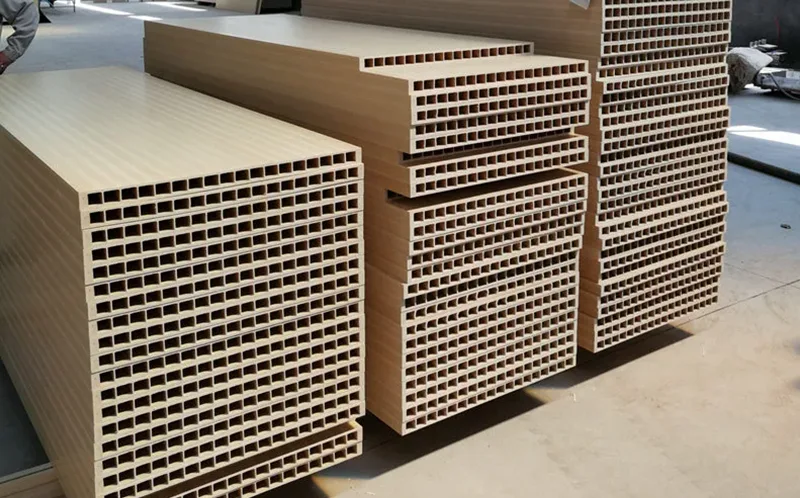
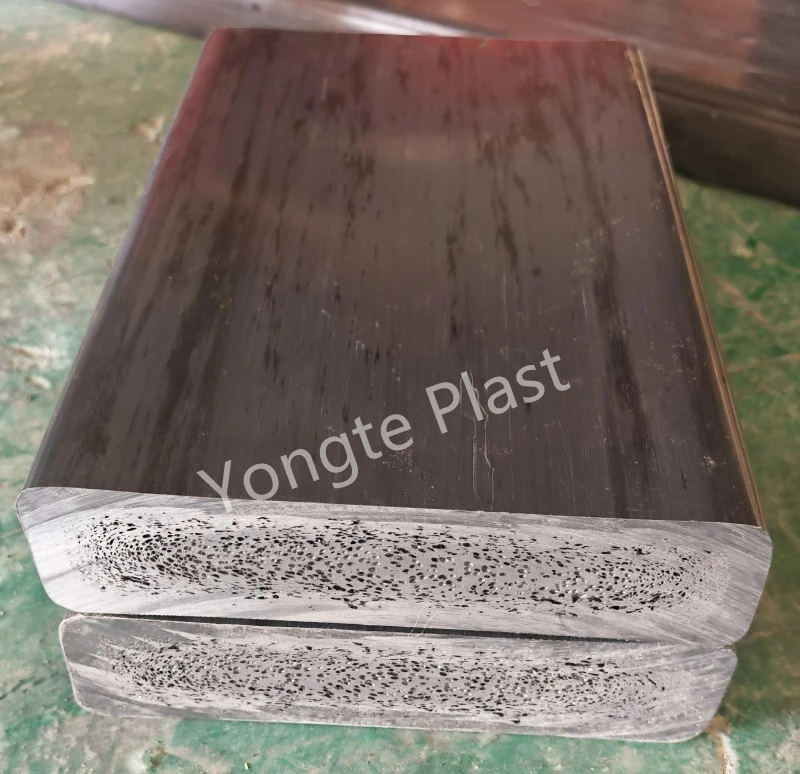
A:Excessive moisture content in raw materials during the production of wood-plastic composites (WPCs) can lead to several issues. Firstly, water vaporization during high-temperature plasticization creates bubbles, resulting in surface pitting and internal porosity. Secondly, excessive moisture causes severe melt foaming, disrupting melt homogeneity and causing unstable extrusion processes. In severe cases, this may lead to product cracking and significant mechanical property degradation. Therefore, Yongte's technical team recommends strictly controlling wood powder moisture content below 3%. The specific threshold should be adjusted based on substrate type, product structure, and processing techniques, with the core principle being to prevent moisture vaporization during high-temperature plasticization to avoid product defects.
In the PPR pipe production process, wall thickness uniformity directly determines the pipe's pressure resistance, service life, and compliance. It requires systematic control from four core dimensions: equipment configuration, process parameters, raw material control, and online testing. Leveraging the technological advantages of Yongte's PPR pipe production line, specific measures are as follows: