How to Control the Dimensional Accuracy of PPR Pipes?
How to Control the Dimensional Accuracy of PPR Pipes?
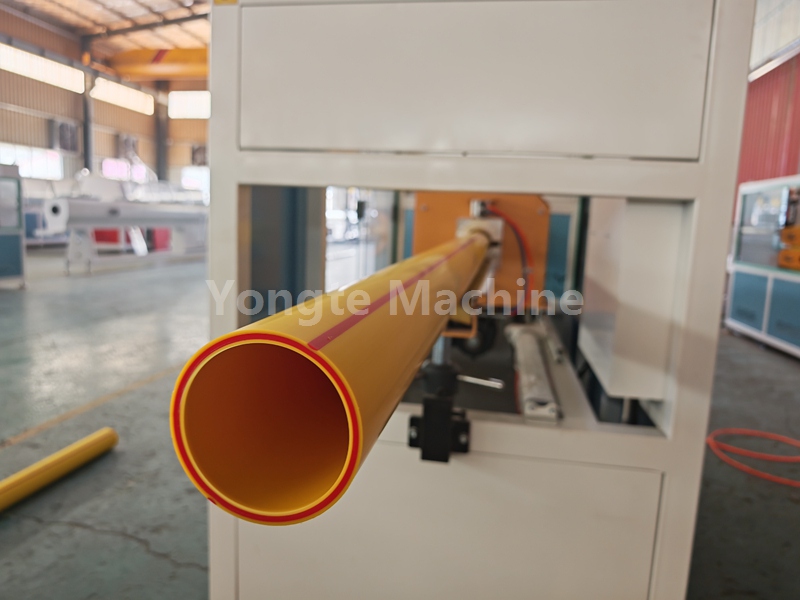
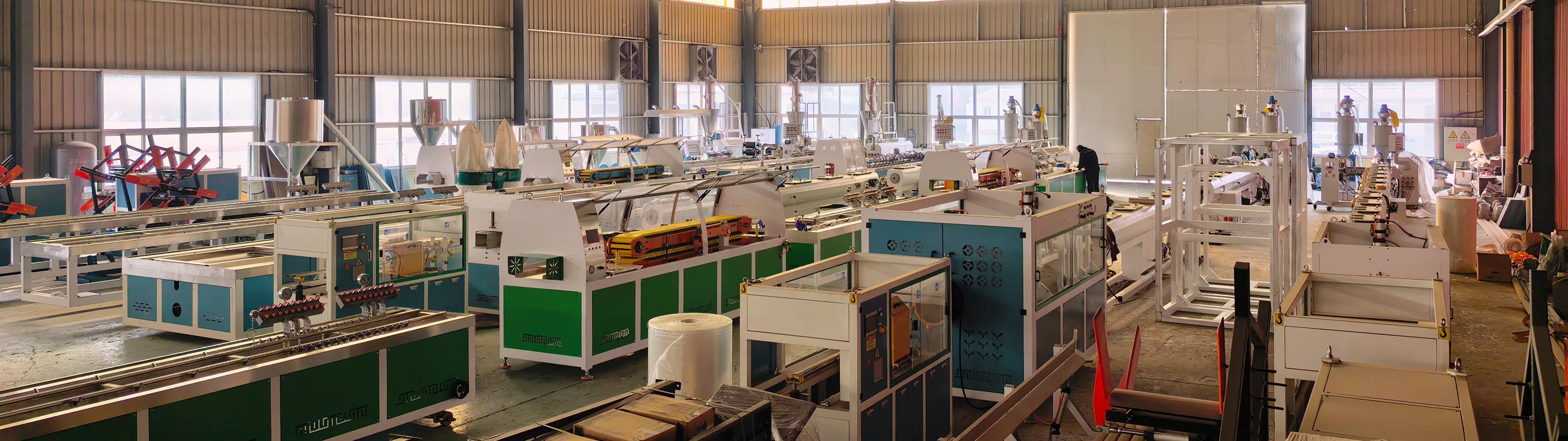
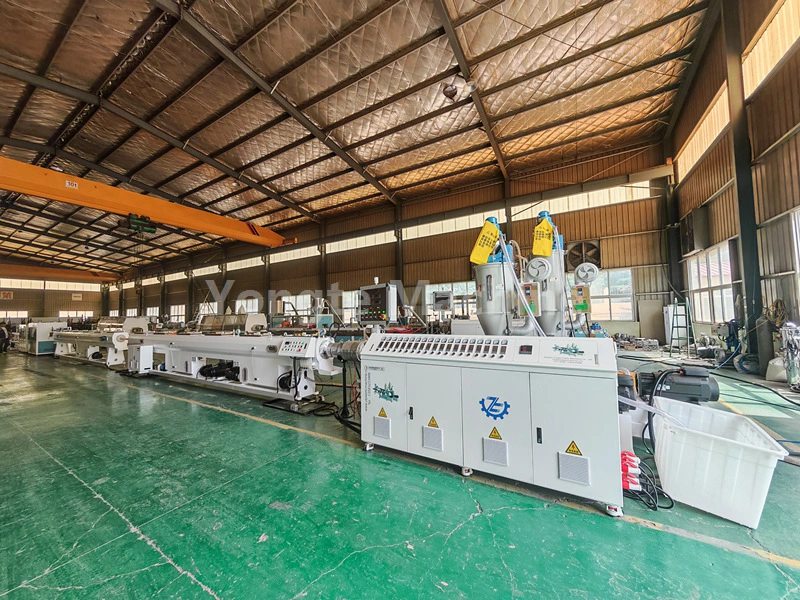
In the production of PPR pipes, dimensional accuracy directly impacts the pipe's connection sealing, pressure resistance, and compatibility during installation. Yongte's PPR pipe production machine is specifically designed for manufacturing high-precision PPR pipes, ensuring precise control throughout the entire process. This includes raw material management, equipment settings, mold precision, cooling and calibration, and traction cutting.
Specific measures include:
1. Strictly controlling raw material quality and processing stability.
1.1 Selecting appropriate PPR raw materials: Prioritize materials with a stable melt flow rate (MFR) (typically MFR 0.3-0.5g/10min at 230°C/2.16kg) to prevent uneven extrusion due to fluctuations in the material's melt flow index. Raw materials should be pre-dried to a moisture content of ≤0.02% to avoid air bubbles forming during extrusion, which could affect the uniformity of the pipe wall thickness.
1.2 Ensuring uniform mixing of raw materials: If color masterbatch or modifiers are added, we equip a high-speed mixer for thorough mixing to ensure uniform dispersion and prevent melt viscosity variations due to localized component differences, which could lead to dimensional inconsistencies.
2. Achieving high precision in PPR pipe extrusion equipment and dies:
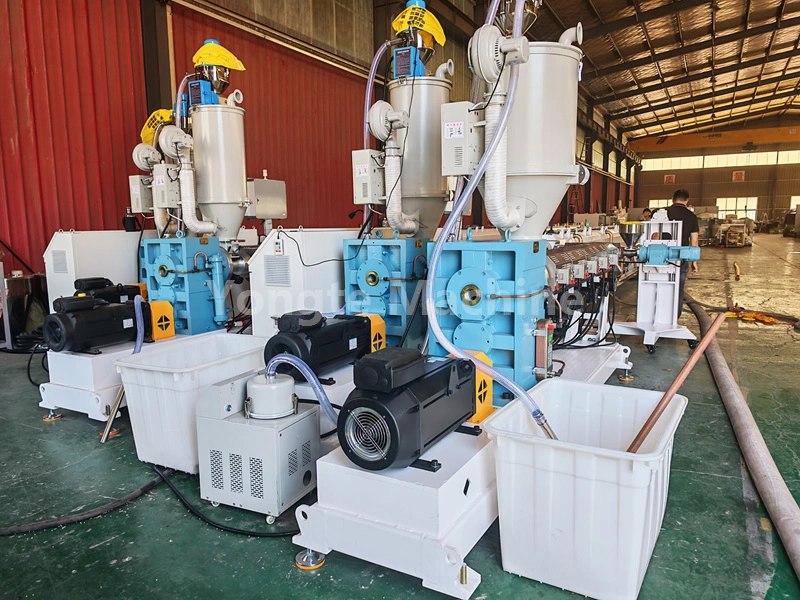
2.1 Maintaining stable extruder parameters: We equip servo motors and precision temperature control systems for the PPR pipe extruders, strictly controlling the screw speed and barrel temperatures in each section to ensure uniform melt plasticization. Typical PPR extrusion temperatures are set as follows: the feeding section at 160-180°C, the compression section at 180-200°C, the homogenization section at 200-220°C, and the die head temperature at 200-210°C.
2.2 Equipped with a servo motor that operates stably, it maintains a consistent extruder screw speed to prevent fluctuations in the extrusion volume. Implementing a variable frequency speed control system and a melt pressure sensor enables real-time monitoring and feedback adjustments.
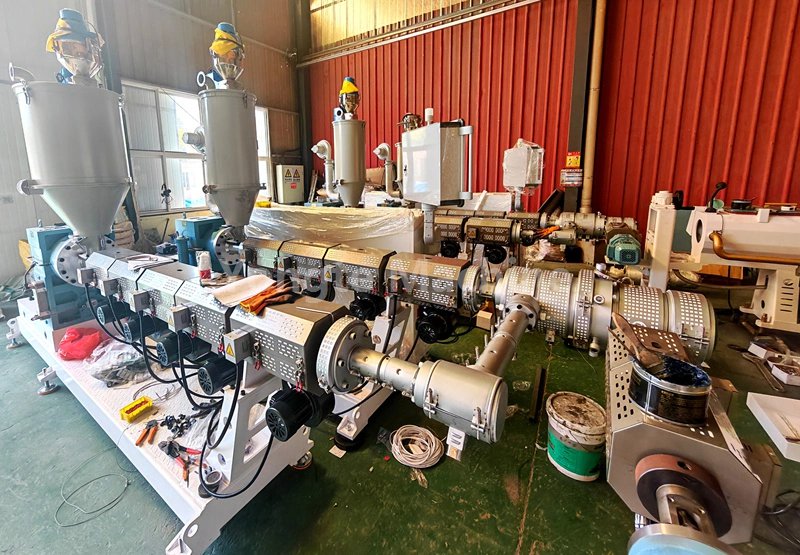
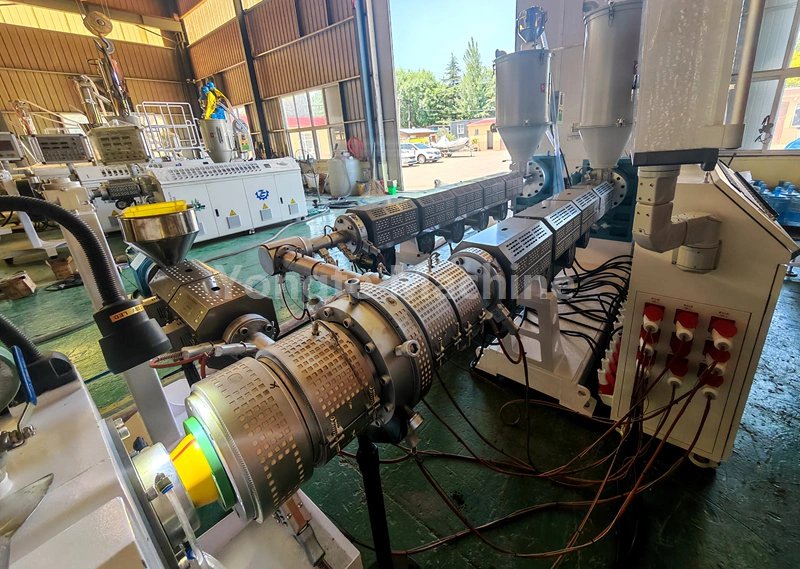
2.3 Ensuring die precision: We equip high-precision sizing sleeves and dies. The gap between the die and mandrel is precisely designed according to the pipe wall thickness, with a gap deviation controlled within ±0.05mm. Regularly polish the die to prevent surface defects and dimensional fluctuations caused by melt adhesion.
2.4 Matching the inner diameter of the sizing sleeve to the nominal outer diameter of the pipe. Adjust the sizing length according to pipe specifications (generally 8-12 times the pipe diameter) to ensure the pipe is fully shaped.
3. Optimizing the cooling and calibration process:
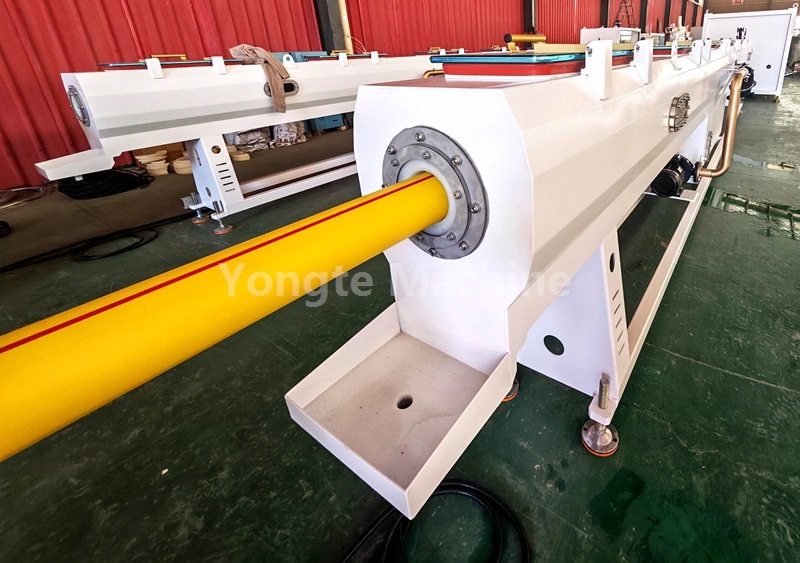
3.1 Utilizing vacuum sizing cooling: This step is crucial for ensuring the accuracy of the PPR pipe's outer diameter. Then vacuum level inside our vacuum sizing tank is stable (generally -0.04~-0.06MPa) to ensure the pipe's outer wall is tightly against the inner wall of the sizing sleeve, preventing ellipticity or outer diameter deviation.
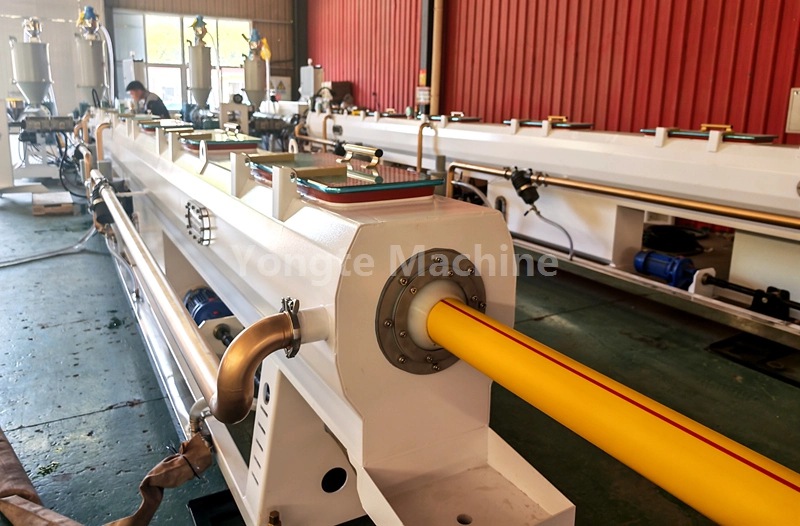
3.2 Implementing segmented gradient cooling: Set the cooling water temperature from high to low. Start with an initial water temperature of 40-60℃, gradually decreasing to 20-30℃ to avoid internal stress from rapid cooling, which could lead to dimensional shrinkage and deformation. Ensure the cooling length is sufficient to bring the pipe temperature down to ≤40℃ upon exiting the sizing chamber, ensuring complete shaping.
4. Precise control of the traction and cutting processes:
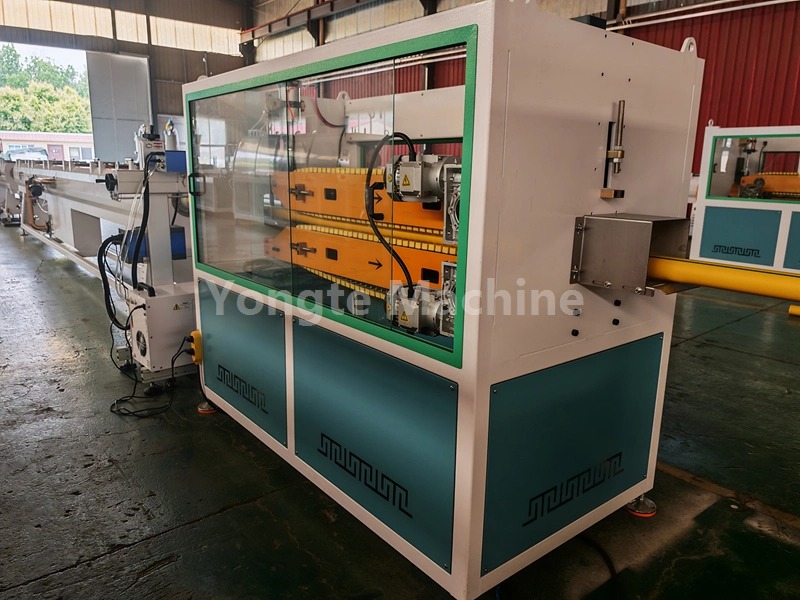
4.1 Synchronizing traction speed: The traction machine must use frequency conversion speed regulation to match the extrusion speed, with speed fluctuations controlled within ±1%. If the traction speed is too high, the pipe will stretch, resulting in thinner walls and a smaller outer diameter; if too slow, the pipe will accumulate, resulting in thicker walls and a larger outer diameter.
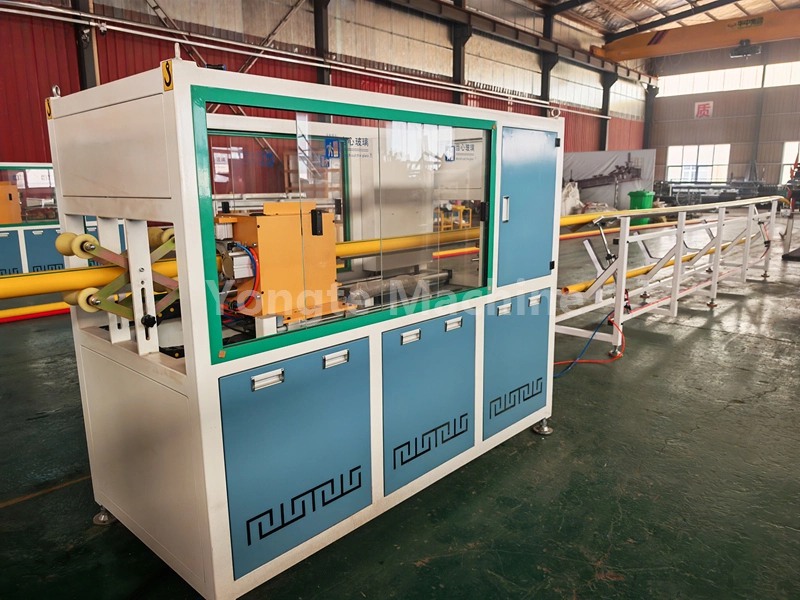
4.2 Selecting high-precision cutting equipment: Use a planetary cutter or chipless cutter. Before cutting, ensure the pipe is stably clamped, and control the cutting length deviation within ±2mm. Avoid pipe rotation or displacement during cutting to prevent uneven ends.
5. Real-time monitoring and online adjustment:
5.1 Equipping with an online detection device: Install a laser diameter gauge after traction to monitor the pipe's outer diameter and ovality in real-time, feeding the data back to the control system to automatically adjust the traction speed or extrusion parameters, achieving closed-loop control.
5.2 Conducting regular sampling inspections: Measure the outer diameter, wall thickness, and out-of-roundness of the pipes every hour according to standard requirements. The wall thickness deviation must conform to the GB/T 18742 standard (e.g., for DN20×2.8mm PPR pipes, the wall thickness deviation is ±0.3mm). Adjust process parameters promptly upon detecting deviations.
6. Equipment maintenance and environmental control:
6.1 Performing regular equipment maintenance: Regularly check the wear of the extruder screw and barrel, and the concentricity of the die; inspect the wear of the traction machine's rubber blocks and replace them promptly to prevent speed fluctuations caused by slippage.
6.2 Controlling the production environment: Maintain the workshop temperature between 15-30℃ to avoid excessively high or low temperatures affecting raw material plasticization and pipe cooling and shaping; keep the workshop clean to prevent dust from entering the die or adhering to the pipe surface.
Summary:
The essence of ensuring PPR pipe dimensional accuracy in Yongte's PPR pipe machine lies in "stable extrusion, precise shaping, synchronous traction, and real-time monitoring." Through comprehensive control of process parameters and equipment maintenance, key dimensions such as outer diameter, wall thickness, and length are maintained within the standard range.