
Why rubber hose can be used as soaker hose?
Why rubber hose can be used as soaker hose?
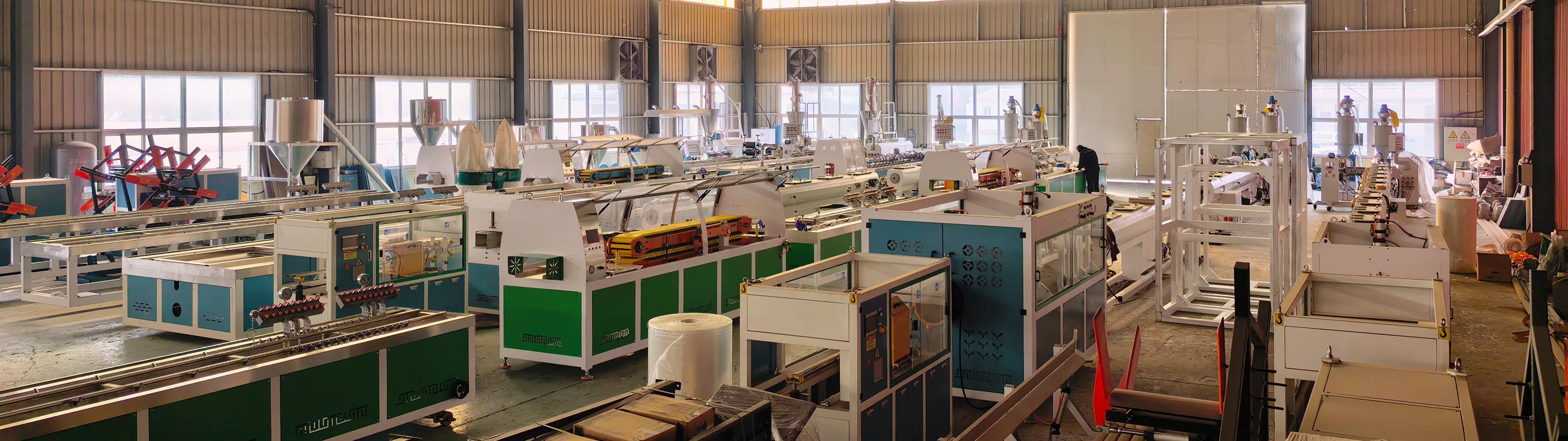
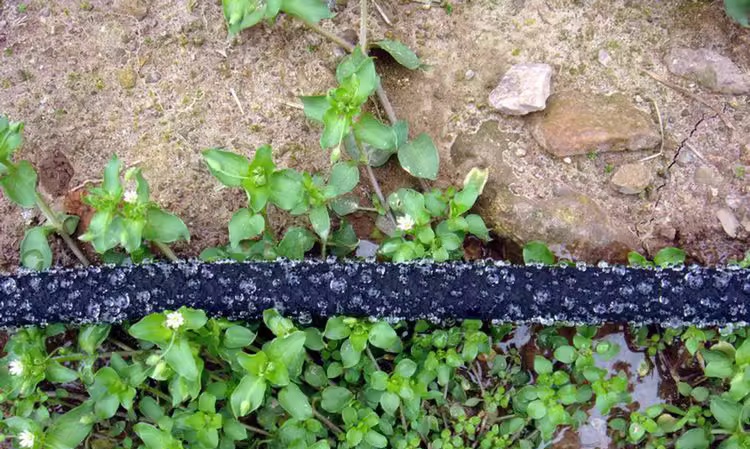
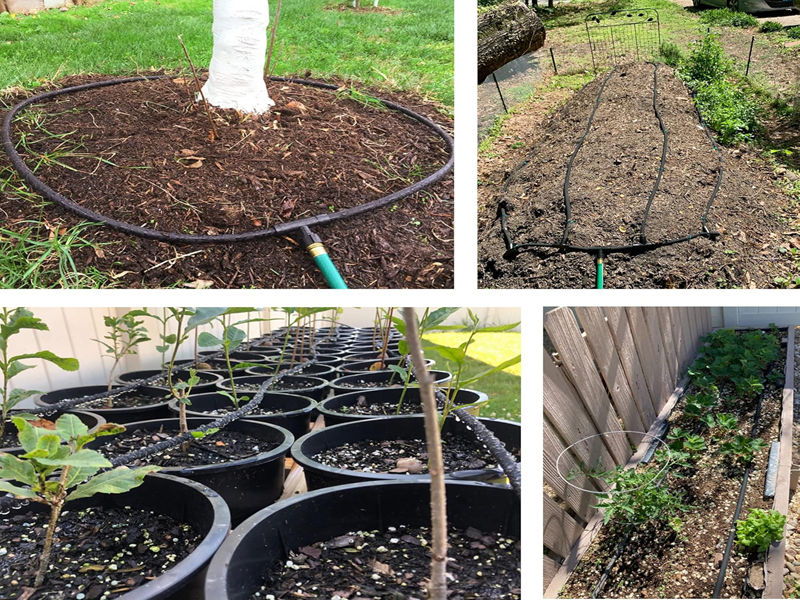
The Yongte rubber hose machine is used to produce rubber soaker hoses from recycled rubber powder, employing extrusion and foaming technology. These rubber soaker irrigation pipes have tiny holes, which we refer to as capillaries, distributed throughout their structure. When connected to a water source, water pressure gradually pushes water out through these minuscule openings—quite straightforward! The most impressive aspect is that this system conserves a significant amount of water. By laying the pipes near the plants, the water remains close to the roots for an extended period. This results in no overwatering and drastically reduces water wastage from seeping into the ground where plants cannot access it. It is highly effective for lawns, vegetable gardens, and flower beds—ideal for delivering the precise amount of water needed, gently and evenly.

TThe micro-porous soaker hose, crafted using a cool micro-porous extrusion foaming method, never clogs in its tiny holes! This smart irrigation system conserves water while ensuring your plants receive the precise amount of nutrients they need. No more dry spots from uneven watering, and when you turn off the water supply, it stops drawing in dirt, preventing blockages like those experienced with old drip emitters. Setting it up is incredibly easy: simply connect it to a standard polyethylene pipe. The best part? It uses only one-sixth the water of traditional flood irrigation—a significant water saver! Additionally, you can mix both base and top-dressing fertilizers directly into the irrigation water, ensuring nutrients don't leach away. This means your crops receive consistent water and nutrients, making your fertilizer far more effective.
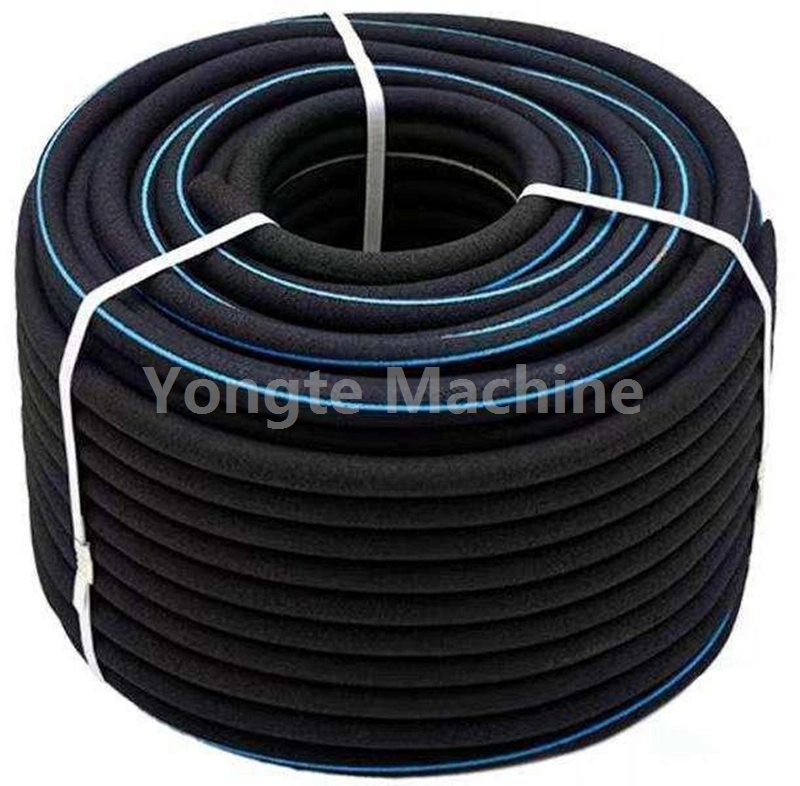
Advantages of Rubber Soaker hose:
1. High Permeability Efficiency: Uniform nanoscale pores increase the permeability rate by 2-3 times and ensure stability over an extended period.
2. Strong Anti-Clogging Ability: The nanoscale pores allow the passage of water molecules while effectively preventing larger particles, such as silt and microorganisms, from passing through due to a mechanism similar to the "molecular sieve" effect. This significantly reduces the risk of blockage.
3. Long Service Life: The lifespan of rubber seepage pipes can extend to 10-15 years through the integration of rubber and PE materials, significantly enhancing aging resistance.
4. Low Installation and Maintenance Cost: Simple installation with a plug-and-play connector, flexibility to bend and roll up, resistance to blockages, and long maintenance-free periods reduce overall costs by 40%-60%.
5. Good Environmental Performance: Rubber seepage pipes can be produced from recycled waste tires and are recyclable multiple times, making them highly economical and environmentally friendly.
Application Scenarios of Rubber Soaker hose:
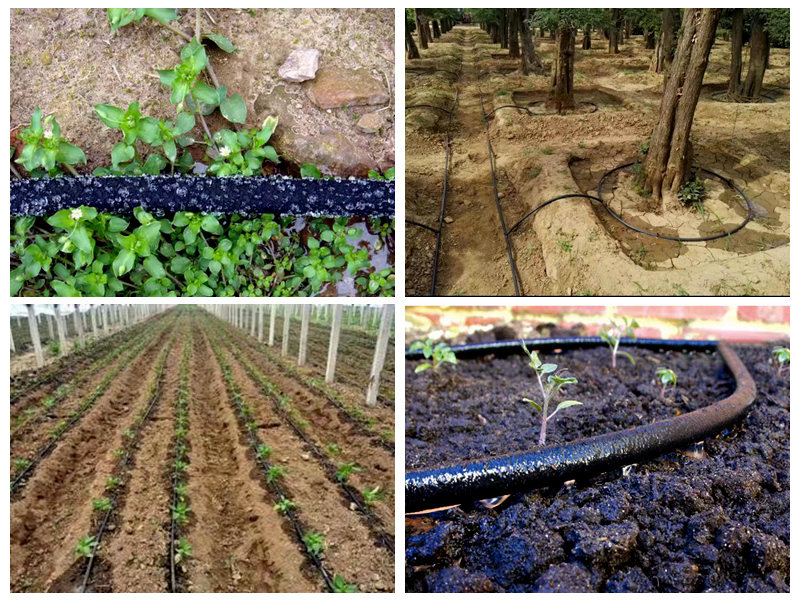
1. The implementation of agricultural water-saving irrigation techniques, which involve the employment of subterranean water conveyance pipes within drip and seepage irrigation systems, facilitates meticulous regulation of water dispersion and contributes to the reduction of soil salinization. Additionally, the application of nano-filtration technology serves to prevent emitter blockage by sand particles.
2. Groundwater remediation and the safeguarding of water sources are achieved through the employment of nanomaterials that adsorb heavy metals and organic compounds, thereby purifying contaminated sites. Furthermore, filtration processes are utilized to purify water from various water sources.
3. Urban rainwater management is enhanced by the use of soaker pipes in construction, which expedite the infiltration of rainwater and the filtration of pollutants, thus mitigating the occurrence of waterlogging.
4. The treatment and subsequent reuse of sewage are accomplished via the underground infiltration of industrial wastewater and domestic sewage, which utilizes a nano-coating capable of efficiently absorbing Chemical Oxygen Demand (COD), heavy metals, and other deleterious pollutants.
Previous:What is rubber permeable pipe?