What is rubber permeable pipe?
What is rubber permeable pipe?
Durable and cost-effective irrigation solution
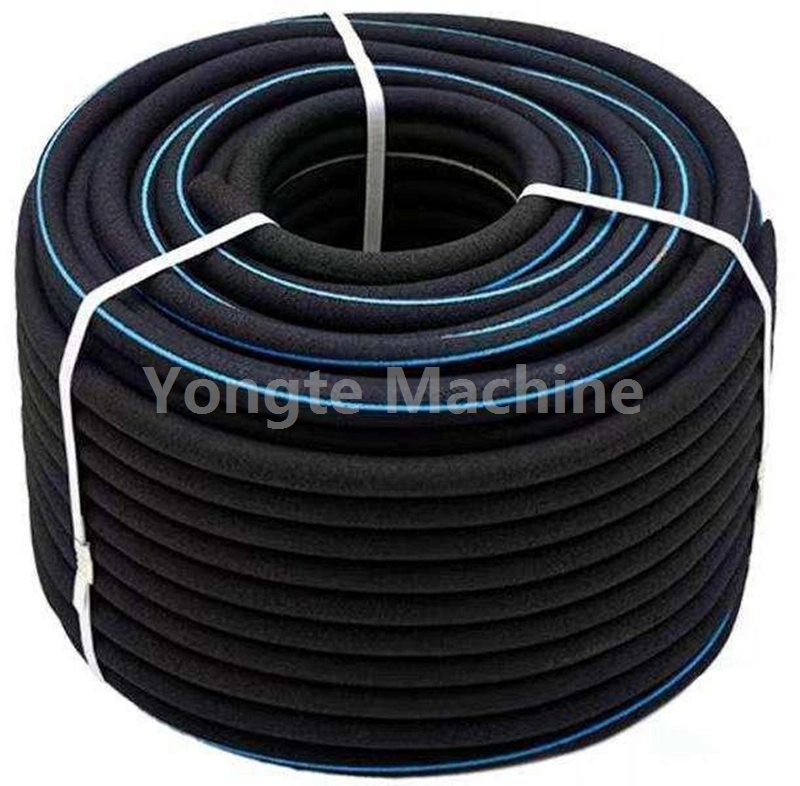
Description of Rubber permeable pipe
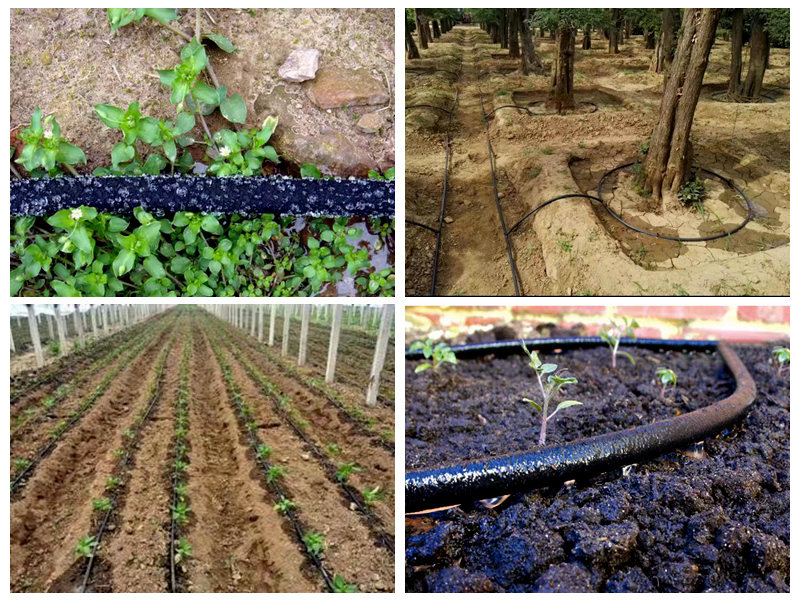
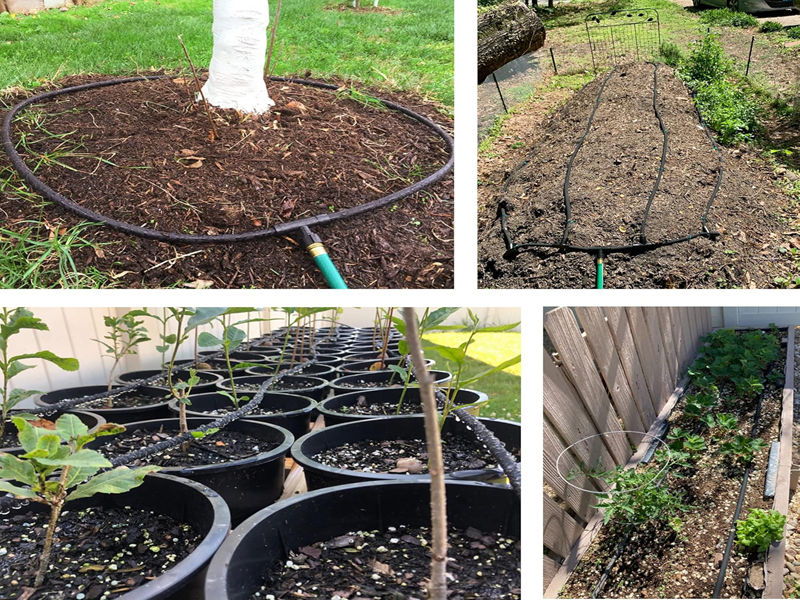
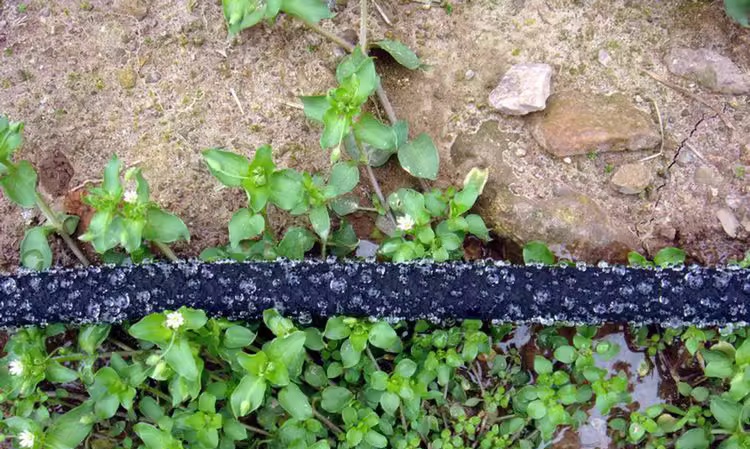
The rubber permeable irrigation pipe, constructed from resilient recycled rubber, incorporates a network of minuscule capillaries within its structure. Upon connection to a water source, the system dispenses water gradually via these capillaries, a process facilitated by the pressure exerted by the water. The most advantageous attribute of this irrigation system is its exceptional capacity for water conservation. By situating the drip pipes proximate to the zones of plant growth, the water remains in close proximity to the roots for an extended period, thereby averting overwatering and diminishing the squandering of valuable water resources through subterranean runoff. This method of irrigation is highly efficacious across a variety of applications, including lawns, vegetable gardens, and flower beds, and is particularly adept at providing a precise and gentle watering regimen for rows of plants.

The micro-porous, water-permeable irrigation pipe, developed through an innovative micro-porous extrusion foaming technique, effectively precludes the obstruction of its diminutive apertures. This meticulously engineered precision irrigation system is designed to conserve water whilst ensuring plants are provided with an optimal supply of nutrients. It eradicates the occurrence of dry areas resulting from uneven water distribution and halts the negative pressure suction when the water supply is interrupted, thereby preventing the blockage issues typically associated with conventional drip emitters. Installation is straightforward: it requires connection to a polyethylene pipe. In terms of water conservation, this system consumes merely one-sixth of the water utilized in traditional flood irrigation methods. Furthermore, it permits the direct integration of basal and top-dressing fertilizers into the irrigation water, thereby diminishing nutrient loss due to seepage. Consequently, crops absorb water and nutrients uniformly, significantly enhancing fertilizer efficiency.
Advantages of Rubber Nano Pipe:
1. Superior Permeability Efficiency: The uniform nanoscale pores enhance the permeability rate by a factor of two to three and ensure stability over an extended duration. 2. Robust Anti-Clogging Capability: The nanoscale pores permit the passage of water molecules while effectively impeding larger particles, such as silt and microorganisms, through a mechanism analogous to the "molecular sieve" effect. This substantially diminishes the likelihood of blockage. 3. Prolonged Service Duration: The service life of rubber seepage pipes can extend to 10-15 years through the integration of rubber and PE materials, exhibiting significantly improved aging resistance. 4. Reduced Installation and Maintenance Expenses: Installation is simplified with a plug-and-play connector, offering flexibility to bend and roll up, resistance to blockages, and extended maintenance-free intervals, which reduce overall costs by 40%-60%. 5. Excellent Environmental Attributes: Rubber seepage pipes can be manufactured from recycled waste tires and are capable of multiple recyclings, rendering them highly economical and environmentally benign.
Application Scenarios of Rubber Nano Pipe:
1. The implementation of agricultural water-saving irrigation techniques, which involve the employment of subterranean water conveyance pipes in drip and seepage irrigation systems, enables meticulous regulation of water dispersion and contributes to the reduction of soil salinization. Additionally, the integration of nano-filtration technology serves to prevent emitter blockage by sand particles. 2. Groundwater remediation and water source protection are achieved through the use of nanomaterials that adsorb heavy metals and organic matter, facilitating the purification of contaminated sites. Alternatively, filtration processes are applied to water sourced from various origins. 3. Urban rainwater management is enhanced by the installation of permeable pipes within urban infrastructure, which expedite the infiltration of rainwater and the filtration of contaminants, thereby mitigating the occurrence of waterlogging. 4. The treatment and subsequent reuse of sewage are accomplished via underground infiltration methods that process industrial wastewater and domestic sewage. This process incorporates a nano-coating technology designed to efficiently absorb Chemical Oxygen Demand (COD), heavy metals, and other deleterious pollutants.