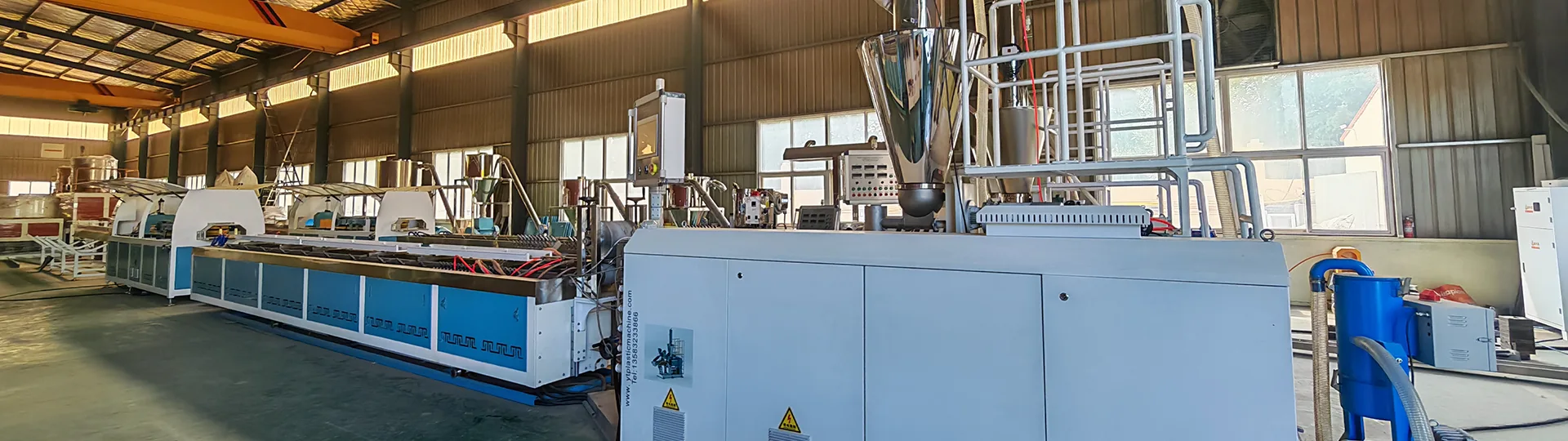
Plastic Waste and Wood Composite Solution
Yongte WPC Equipment: Enabling Circular Recycling of Recycled Plastics & Industrial Waste
Abstract
Yongte’s wood-plastic composite (WPC) extrusion systems are engineered to fully adapt to recycled plastics and waste recovery, supporting a wide range of feedstocks including recycled PP/PE/ABS, agricultural films, packaging scraps, and glass fiber waste. By integrating crushing, washing, drying, and granulation into a turnkey solution, the equipment achieves a closed-loop circular economy—transforming low-value waste into high-performance WPC products. This article details the technical capabilities, process flow, and application advantages of Yongte’s waste-to-WPC systems.
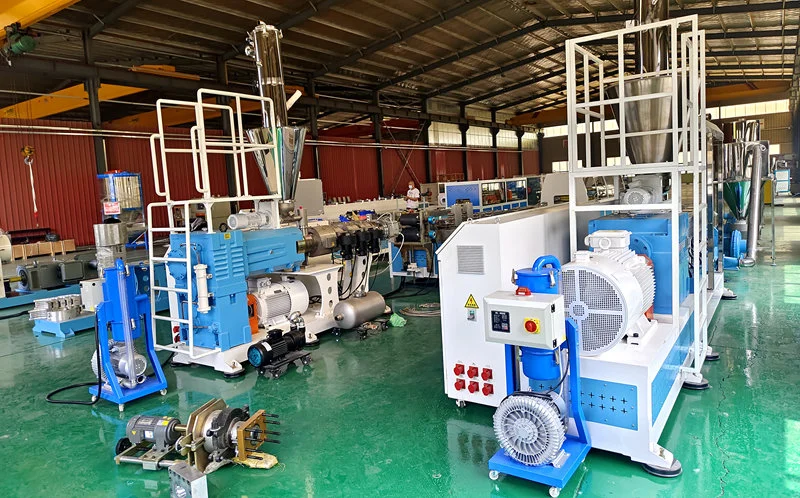
1. Introduction: The Urgency of Plastic Waste Recycling & WPC Value
Global plastic waste generation exceeds 400 million tons annually, with agricultural films, packaging waste, and industrial plastic scraps accounting for over 60% of landfill-bound or incinerated materials. Meanwhile, glass fiber waste from construction and manufacturing presents a major industrial disposal challenge.
WPC technology offers a sustainable solution by combining recycled plastic matrices with lignocellulosic or mineral fillers (e.g., wood flour, glass fiber). Unlike virgin plastic production, WPC manufacturing diverts waste from landfills, reduces carbon emissions by ~30%, and lowers reliance on fossil resources.
Yongte, a leading Chinese manufacturer of plastic extrusion and WPC machinery, has developed specialized equipment to process diverse waste streams into high-value WPC products (decking, fencing, profiles, etc.).
2. Core Compatibility: What Waste Can Yongte WPC Equipment Process?
Yongte’s systems are designed for multi-waste adaptability, with screw and barrel configurations customized for different recycled materials:
2.1 Recycled Plastics (PP/PE/ABS)
- Post-consumer plastic waste: Recycled PP/PE bottles, containers, and industrial plastic scraps (rigid plastics).
- Flexible plastic waste: Agricultural films, shopping bags, and packaging films (LDPE/LLDPE).
- ABS waste: Electronic housing scraps, automotive interior trims, and appliance casings.
2.2 Industrial & Agricultural Waste
- Glass fiber waste: Post-industrial glass fiber scraps, composite offcuts, and wind turbine blade waste.
- Lignocellulosic waste: Wood sawdust, rice husk, straw, and bamboo scraps (as reinforcing fillers).
2.3 Key Technical Advantage
The equipment accepts mixed recycled plastics (e.g., PP+PE blends) with contamination rates up to 5% (after pre-washing), eliminating the need for strict single-resin sorting.
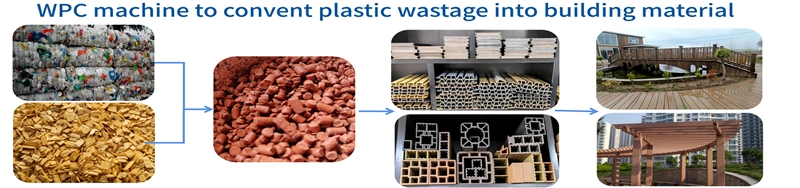
3. Turnkey Closed-Loop Process: Waste → WPC Products
Yongte provides a full-line solution covering waste pretreatment to finished product extrusion, ensuring seamless material flow and minimal waste loss.
3.1 Step 1: Waste Pretreatment (Crushing → Washing → Drying)
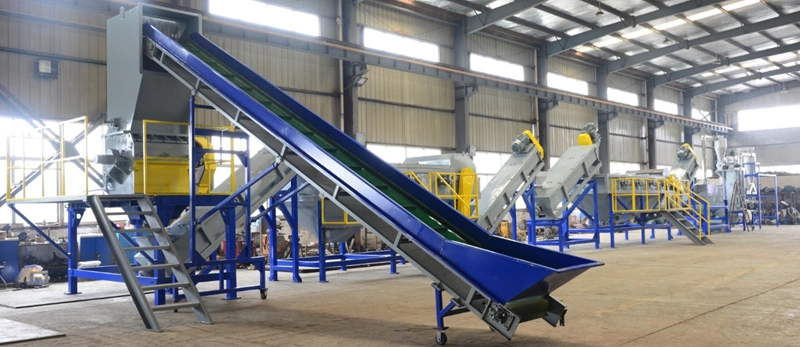
- Crushing: High-speed shredders reduce plastic films, rigid scraps, and glass fiber waste into 5–10mm flakesYongte.
- Washing: Friction washers and floating separation tanks remove dirt, adhesives, and non-plastic contaminants (e.g., paper, metal).
- Drying: Squeeze dryers and hot-air ovens lower moisture content to ≤2% (critical for preventing WPC bubbling during extrusion)Yongte.
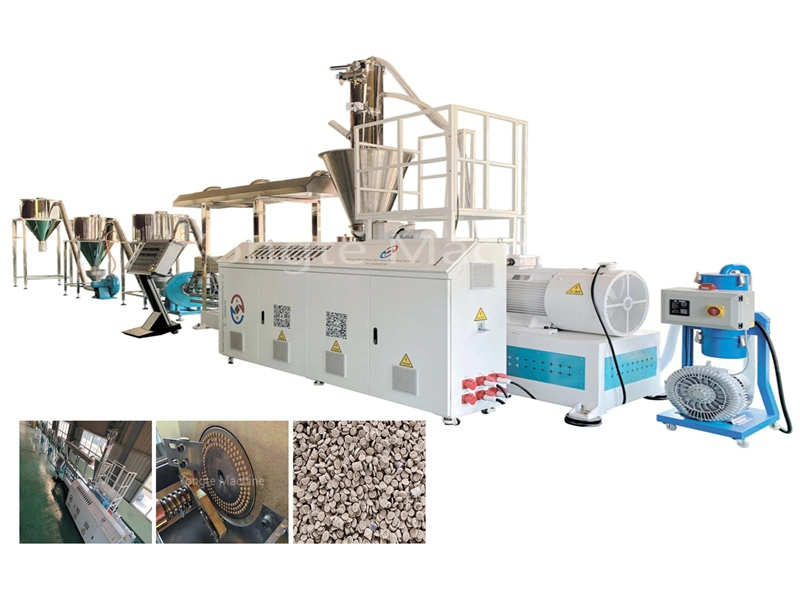
3.2 Step 2: Compounding & Granulation
- High-speed mixing: Recycled plastic flakes (20–40%) are blended with wood flour/glass fiber (50–70%) and additives (3–5%: coupling agents, UV stabilizers, lubricants).
- Twin-screw granulation: Conical twin-screw extruders melt and homogenize the blend at 150–190°C, cutting it into uniform WPC pellets.
3.3 Step 3: WPC Extrusion & Finishing
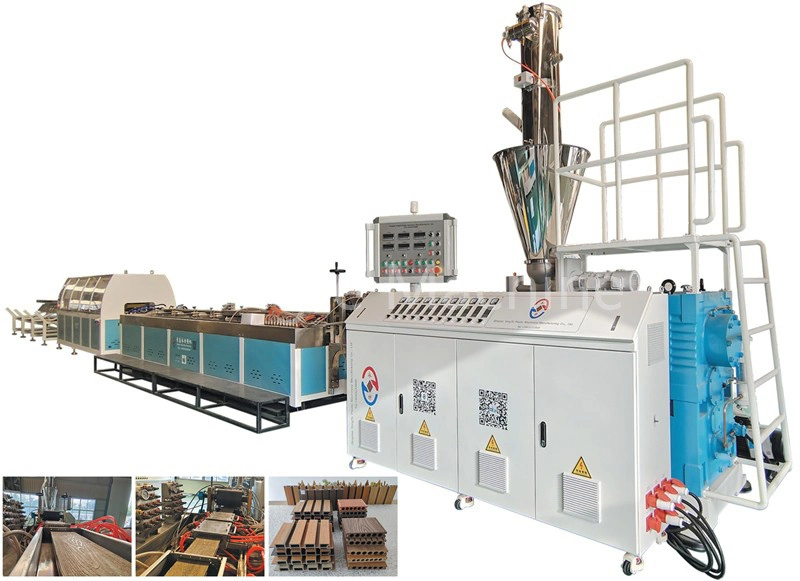
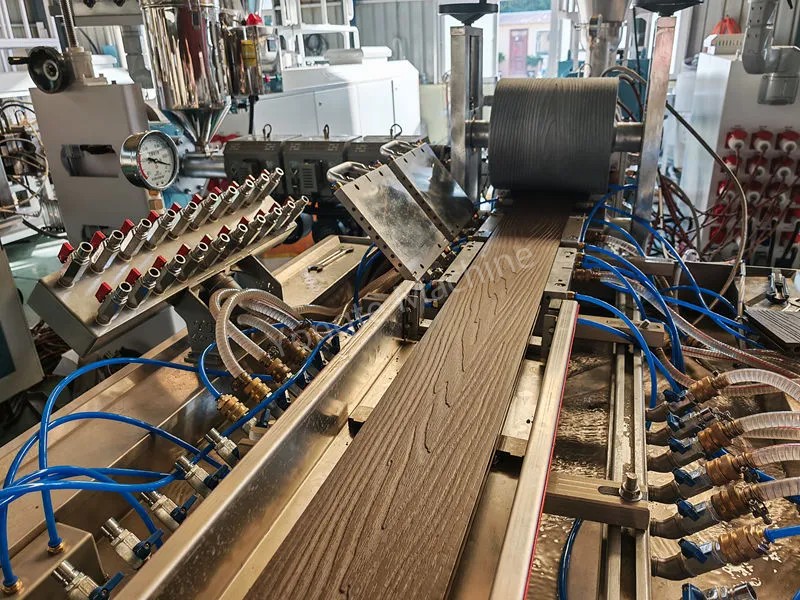
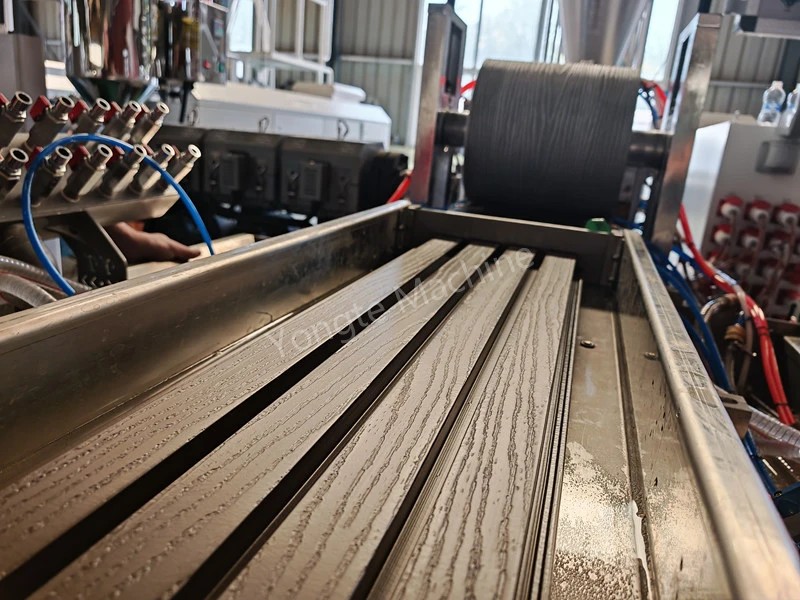
- Co-extrusion: Single/twin-screw extruders process WPC pellets into profiles (decking, fencing) with a smooth surface layer (co-extruded for durability).
- Calibration & cutting: Vacuum cooling tanks and automatic cutters ensure precise dimensions; embossing/sanding machines add wood-like textures.
3.4 Closed-Loop Feature
End-of-life WPC products can be re-crushed and re-extruded without significant performance loss, enabling a 100% circular system.
4. Technical Advantages of Yongte Waste-to-WPC Equipment
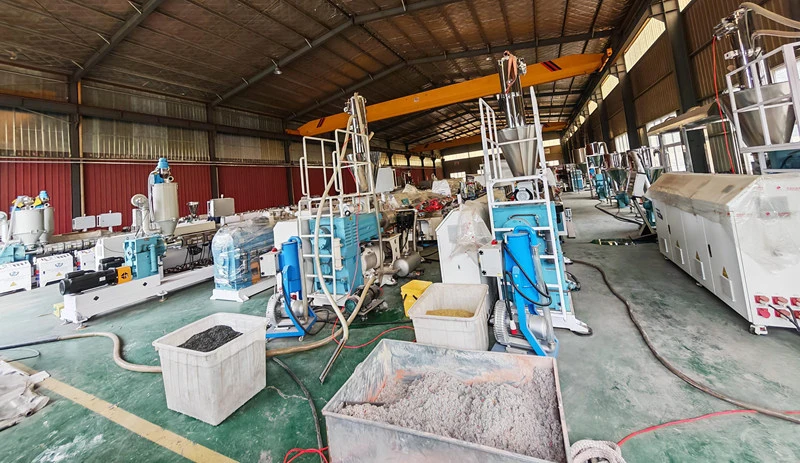
4.1 Customized Screw Design for Waste Materials
- Conical twin-screw configuration: Delivers high torque for processing high-filler blends (e.g., 70% glass fiber + 26% recycled PE/PP).
- Wear-resistant barrel: Made of bimetallic alloy to withstand abrasive glass fiber and recycled plastic contaminants.
4.2 High Efficiency & Cost Savings
- Capacity: 300–800 kg/hour (varies by model), suitable for small-to-large production linesYongte.
- Energy efficiency: Servo motors and optimized heating systems reduce power consumption by ~20% vs. conventional WPC lines.
4.3 Product Performance & Versatility
- Mechanical properties: WPC products from waste feedstocks achieve flexural strength ≥25 MPa and impact strength ≥15 kJ/m², comparable to virgin-based WPC.
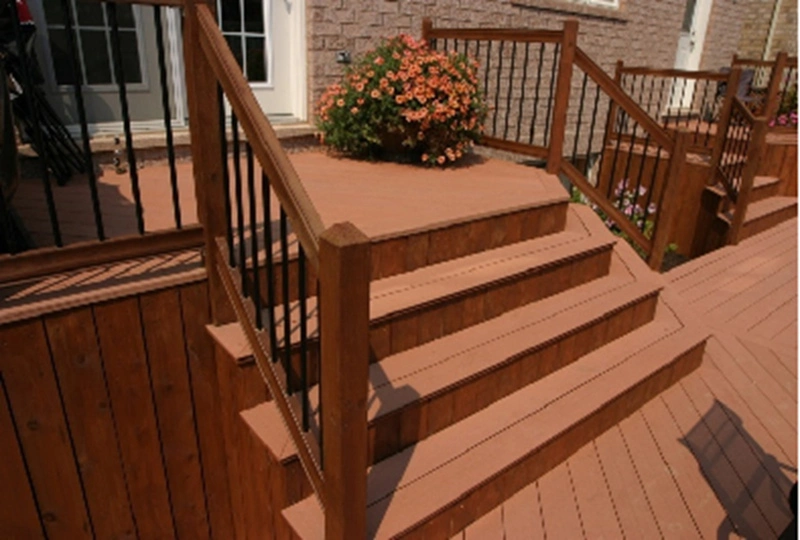
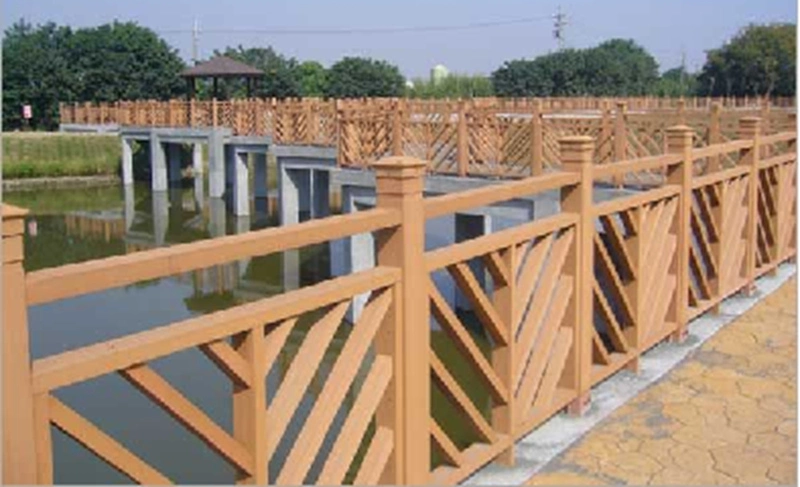
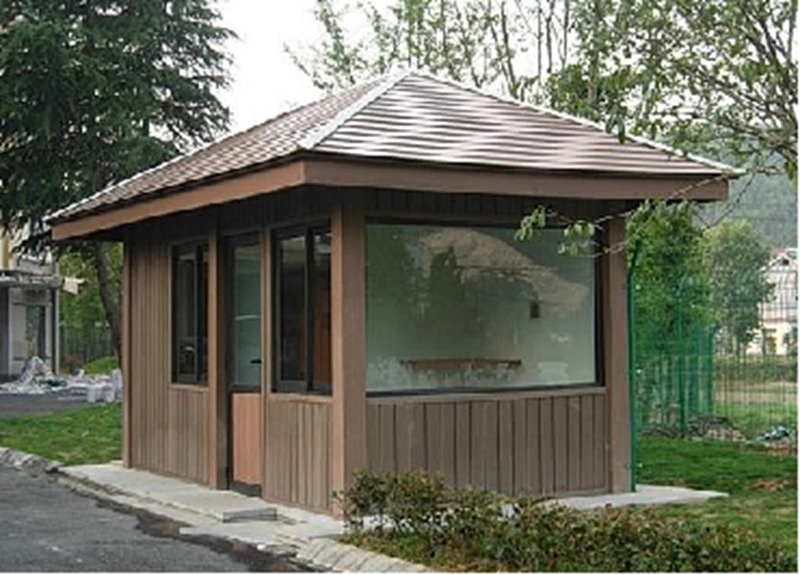
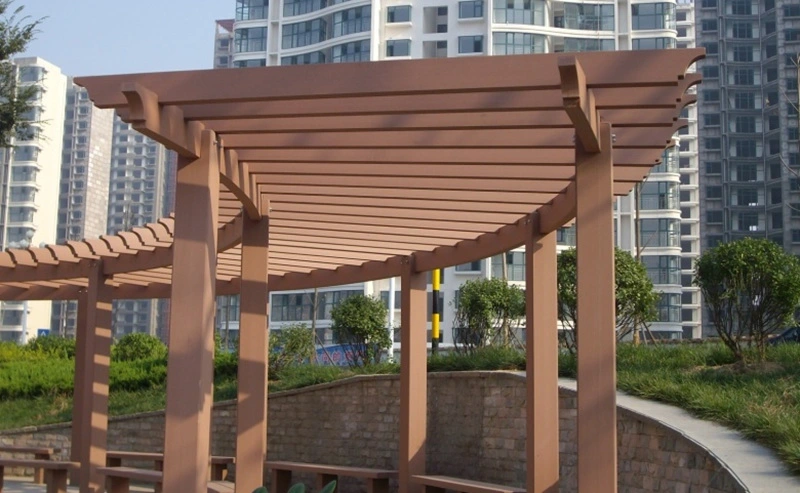
- Applications: Decking, fencing, garden furniture, pallets, and construction profiles—suitable for outdoor use with low maintenance.
5. Real-World Case Studies
5.1 India: Plastic Road Waste to WPC Lumber
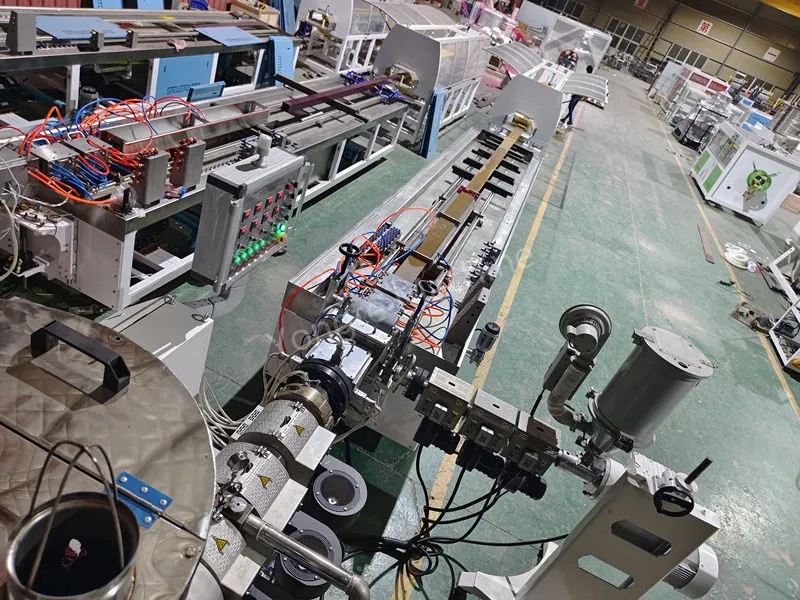
Yongte installed a line in India processing plastic road waste (including PE/PP films and packaging scraps) into solid WPC lumber. The system converts 500 kg/hour of waste into durable planks for fencing and pallets, solving local plastic pollution issues.
5.2 Canada: Glass Fiber Waste to WPC Decking
A Canadian plant uses Yongte’s WPC line to recycle waste fiberglass (70%) with recycled PE/PP (26%) into high-performance decking. The co-extruded products resist rot, UV, and insects, replacing traditional wood decking.
5.3 Agricultural Film Waste to Green Building Materials
Yongte’s YT-450 model processes waste agricultural films (60–70%) with wood flour into WPC decking and fencing. The line reduces farm plastic waste while producing eco-friendly building materials.
6. Conclusion: Driving Circular Economy in Plastics
Yongte’s WPC equipment is not just a machine—it’s a sustainable solution for plastic waste and industrial scrap recycling. By supporting diverse recycled feedstocks and integrating a closed-loop process, the technology enables manufacturers to:
- Reduce landfill waste and carbon footprint;
- Lower raw material costs (recycled waste is 30–50% cheaper than virgin plastic);
- Produce high-value WPC products with broad market applications.
As global demand for circular economy solutions grows, Yongte remains committed to innovating WPC technology—turning waste into wealth and building a greener future.