
Low Cost Nano Seepage Irrigation Solution
Low Cost Nano Seepage Irrigation Solution: Eco-Friendly Nano Rubber Seepage Pipe System from Recycled Waste Tyres
1. Executive Summary
This all-in-one, modular and cost-effective farm irrigation solution delivers sustainable water-saving agriculture by manufacturing high-performance nano rubber irrigation pipes using recycled waste tyre rubber powder. It integrates full waste tyre recycling, multi-stage material separation and precision extrusion production lines to supply farmers with durable, high-permeability seepage pipes while advancing circular agriculture, water conservation and stable investment returns.
Core Advantages of the Farm Irrigation Solution:
- Full closed-loop workflow: waste tyres → high-purity rubber powder → agricultural nano irrigation seepage pipes
- Ultra-high raw material separation efficiency: ≥99% pure rubber, ≥98% steel recovery, complete textile fiber removal
- Fully automated, low-failure operation, CE certified machinery with a 3-year global warranty
- Dual profit model: supply recycled rubber powder as raw materials or produce high-margin nano irrigation pipes for farm, aquaculture and municipal water management markets
2. Project Background & Agricultural Value
2.1 Critical Pain Points in Modern Farming & Water Management
- Traditional irrigation methods suffer severe water loss via evaporation and surface runoff, triggering massive freshwater waste
- Conventional drip tubes easily clog with sediment and microbes, raising frequent replacement and maintenance costs for growers
- Disposable plastic irrigation tubing causes long-term farm soil pollution and lacks recycling channels
- Waste discarded tyres create "black pollution" through illegal stacking, landfilling and incineration, wasting reusable rubber resources that can be converted into agricultural irrigation supplies
2.2 Multi-Dimensional Value of This Irrigation Solution
- Environmental: Converts waste tyres into reusable farm irrigation materials, cuts plastic waste, lowers landfill pressure and supports circular agricultural economy
- Resource: Fully recycles rubber, steel wire and textile fibers from scrap tyres to produce eco-friendly irrigation infrastructure
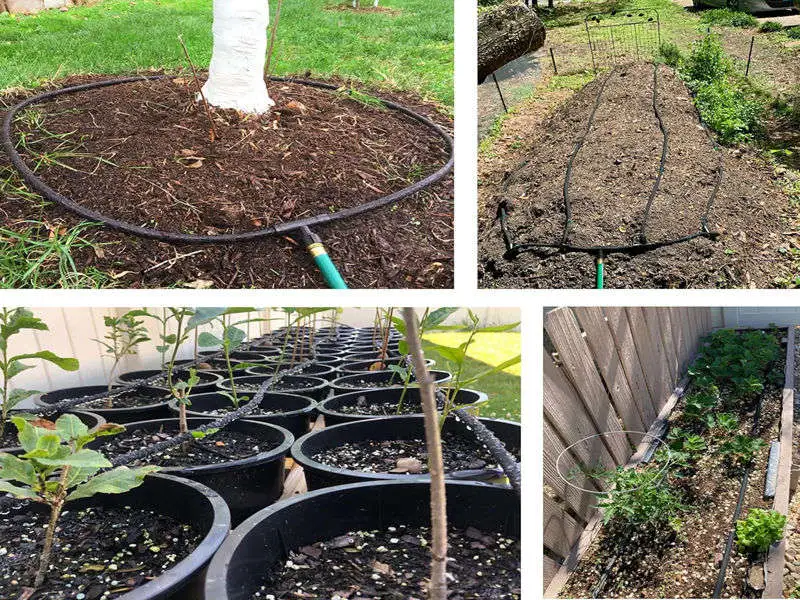
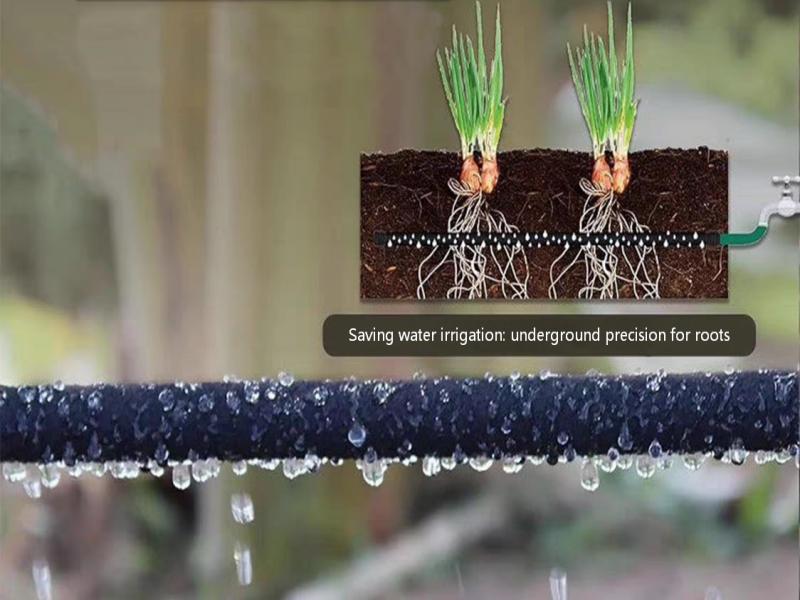
- Agricultural: Delivers precise subsurface seepage irrigation, drastically reduces water consumption and boosts crop yields
- Economic: Generates high-value irrigation pipe end products with strong market demand across farming, aquaculture and urban water treatment
3. Core Technology & Full Production Workflow
3.1 Complete Process Overview
Waste Tyres → Debeading → Primary Cutting → Shredding → Crushing → Fine Grinding → Magnetic Separation → Fiber Separation → High-Purity Recycled Rubber Powder → Extrusion Molding → Cooling Forming → Traction → Automatic Winding → Finished Rubber Nano Seepage Irrigation Pipe
3.2 Detailed Production Stages
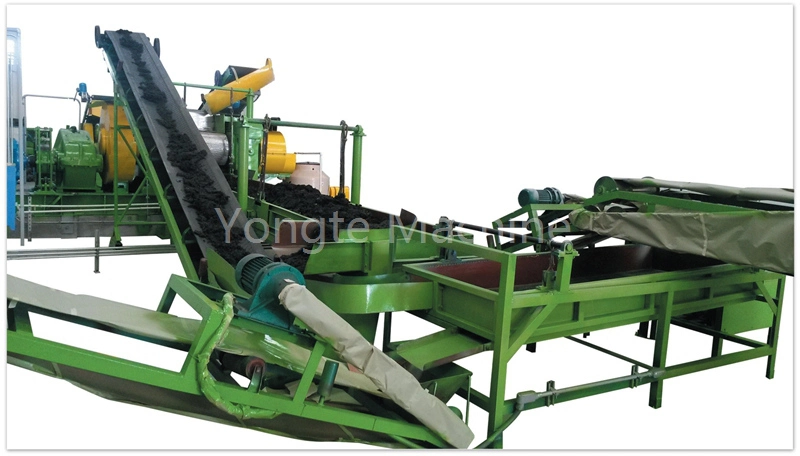
3.2.1 Waste Tyre Preprocessing & Recycling Line
- Wire Ring Drawing (Debeading): Efficient double-hook wire drawing machine removes steel bead wires to protect downstream grinding and extrusion equipment
- Primary Tyre Cutting: Slices whole waste tyres into uniform manageable blocks with stable performance and low power consumption
- Heavy-Duty Tyre Shredding: Reduces tyre chunks into ~50mm rubber blocks via high-torque shredders
- Rubber Block Crushing: Breaks rubber blocks into thin flakes to prepare uniform feedstock for fine powder grinding
3.2.2 Fine Grinding & Rubber Powder Production
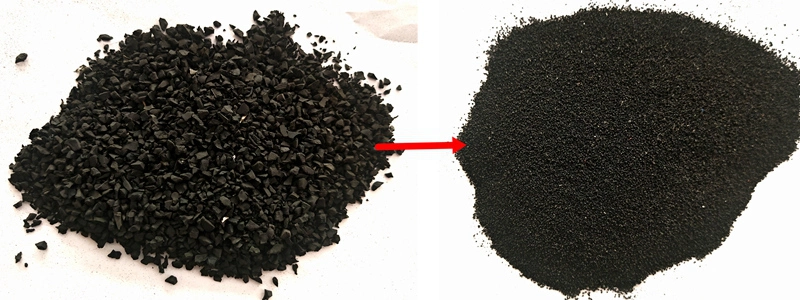
- High-speed adjustable-blade grinding disk with built-in circulating cooling system to prevent rubber overheating
- Output standardized 5–40 mesh recycled rubber powder as the core raw material for nano irrigation pipes
3.2.3 Magnetic & Airflow Fiber Purification
- Magnetic separation unit fully extracts residual steel wire for secondary sales as extra revenue
- Airflow classification system removes textile fiber impurities
- Final recycled rubber powder purity reaches ≥99%, guaranteeing stable quality of irrigation pipes
3.2.4 Rubber Nano Irrigation Pipe Precision Extrusion Line
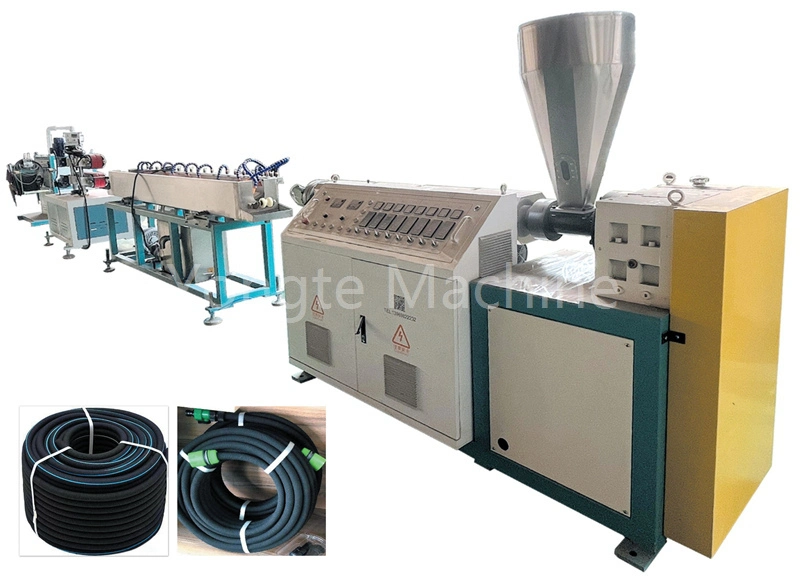
- SJ65 single-screw servo extruder with precise speed control
- Forms uniform interconnected nano foam pore structure inside pipe walls for balanced water seepage
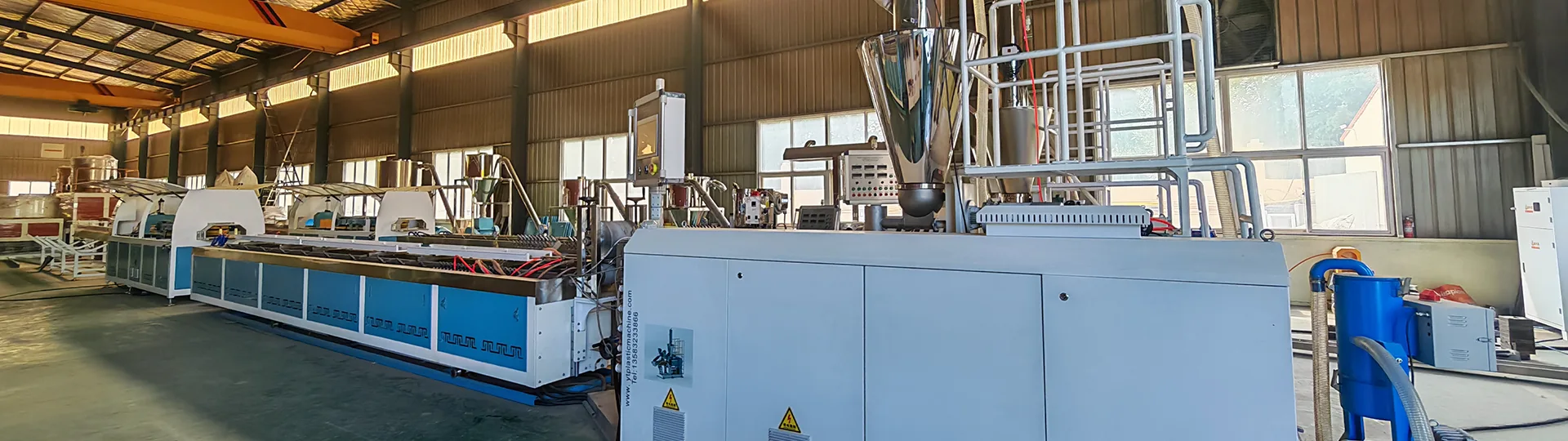
- Integrated automatic feeding, water cooling, traction and auto winding for continuous mass production of farm irrigation tubes
4. Full Set Equipment Configuration & Technical Parameters
4.1 Waste Tyre Recycling Production Line (Model: RTR500)
| Item | Specification |
|---|---|
| Hourly Processing Capacity | 500–600 kg waste tyres |
| Finished Rubber Powder Size | 5–40 mesh adjustable |
| Complete Machine Components | Debeader, tyre cutter, heavy shredder, crusher, fine grinder, magnetic separator, airflow fiber separator, dust removal collector |
| Equipment Features | Fully automatic operation, low noise, stable continuous running, simple daily maintenance |
| Certification & Warranty | EU CE certification, 3-year global equipment warranty |
4.2 Rubber Nano Farm Irrigation Pipe Extrusion Line (Model: SJ65)
| Parameter | Technical Value |
|---|---|
| Main Raw Materials | Recycled tyre rubber powder, PE masterbatch, eco-friendly functional additives |
| Adjustable Pipe Outer Diameter | 9–32 mm (customizable for farm seepage needs) |
| Production Line Speed | 3–10 meters per minute |
| Hourly Pipe Output | 80–120 kg finished irrigation pipes |
| Core Extruder Model | SJ65 single screw extruder |
| Main Servo Motor Power | 22 kW |
| Total Installed Power | ~60 kW |
| Average Running Power Consumption | ~20 kW (energy-saving design) |
| Total Line Occupied Length | 16 meters, compact layout for farm factory workshops |
| Winding Equipment | Automatic single/dual-position pipe winder |

5. Nano Rubber Irrigation Pipe Performance & Farm Application Scenarios
5.1 Advantages of Recycled Rubber Nano Seepage Irrigation Pipes
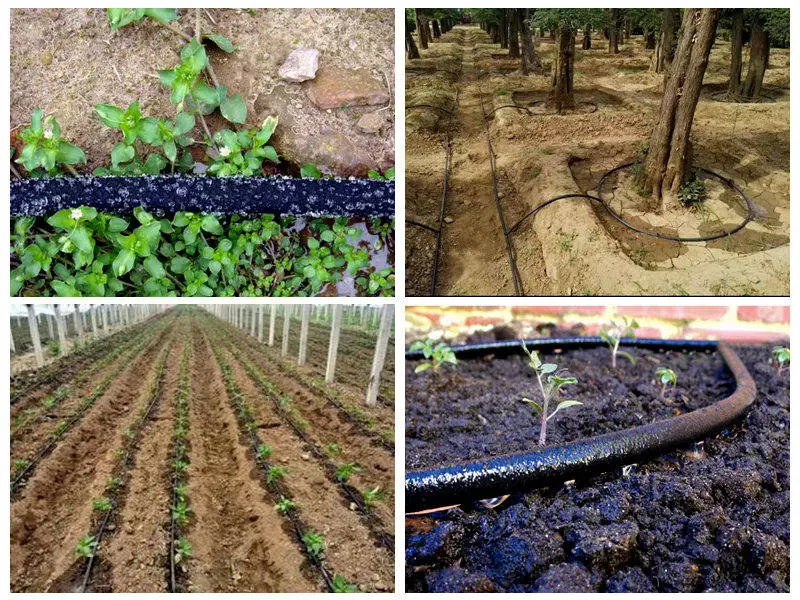
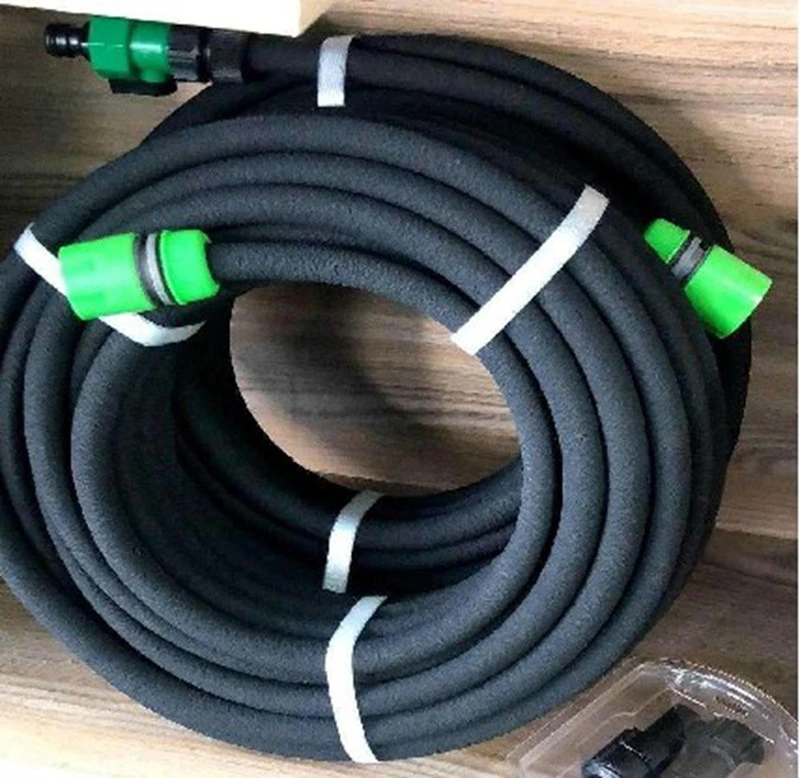
- Ultra-high water permeability: Uniform nano interconnected pores deliver 2–3 times higher seepage efficiency than traditional plastic drip tubes
- Built-in anti-clogging performance: Nano pore molecular sieve effect filters soil silt and microorganisms, eliminating frequent pipe cleaning
- Extra-long service life: 10–15 years field lifespan with excellent anti-aging, anti-UV and soil corrosion resistance
- Significant cost reduction: Cuts farm irrigation installation and annual maintenance costs by 40–60%
- Fully eco-circular: Raw material sourced from waste tyres; aged pipes can be recycled and reprocessed into new irrigation tubing
5.2 Wide Application Scenarios for Agricultural & Water Management
- Precision water-saving farm irrigation: subsurface seepage for field crops, fruit orchards, greenhouses and vegetable farms
- Aquaculture water oxygenation for fish, shrimp and pond breeding
- Farmland groundwater remediation and agricultural water source protection
- Rural rainwater infiltration, flood control and field drainage systems
- Farm sewage treatment and recycled irrigation water reuse
6. Comprehensive Advantages of This Farm Irrigation Solution
6.1 Technical Strengths
- Environmentally safe mechanical recycling process: no high-temperature pyrolysis, zero toxic gas emissions
- Complete separation of rubber, steel and fiber to maximize resource recovery rates
- Stable extrusion molding ensures consistent nano pore structure for uniform irrigation performance
- Modular equipment design: expandable production capacity, flexible layout for small and large agricultural manufacturers
6.2 Economic Benefits for Investors & Farming Enterprises
- Balanced low upfront equipment investment paired with stable long-term revenue
- Dual income streams: wholesale recycled rubber powder or manufacture high-margin nano irrigation pipes
- Low daily operation costs: energy-saving machinery, minimal manual labor input, low spare part replacement frequency
- Permanent strong market demand: global agriculture prioritizes water-saving irrigation infrastructure
6.3 Operation & Site Advantages
- High automation reduces labor dependency; simple operation logic with fast operator training
- Compact equipment layout saves factory workshop space
- Stable continuous running with low failure rates, minimizing production downtime
7. Investment & Return Reference Data
- Full set medium-scale production line investment: waste tyre recycling line + nano irrigation pipe extrusion line
- Low-cost, easily accessible raw material: waste discarded tyres available globally
- Core saleable products: recycled rubber powder, rubber nano farm irrigation seepage pipes
- By-product extra revenue: recovered steel wire and textile fibers separated from tyres
- Average capital payback period: 12–24 months (varies based on local waste tyre prices, irrigation pipe market prices and regional labor costs)
8. Environmental Protection & Safety Compliance
- Full enclosed dust collection system ensures clean, dust-free workshop production
- Low-noise operation, zero wastewater discharge, no toxic chemical emissions during production
- Full safety protective guards, motor overload protection and emergency stop switches on all equipment
- Compliant with EU CE machinery standards and international local agricultural environmental regulations
9. Global After-Sales Service & Technical Support
- Customized production line design tailored to customer target capacity, factory space and investment budget
- Overseas on-site equipment installation, commissioning and professional operator training
- 3-year full equipment warranty and long-term stable supply of spare parts worldwide
- Remote online after-sales troubleshooting, production process optimization and irrigation pipe formula adjustment support
10. Conclusion
This integrated farm irrigation solution realizes a fully eco-friendly closed-loop economy by converting waste tyres into high-efficiency, durable nano rubber seepage irrigation pipes tailored for modern agriculture. It addresses global farm water shortage challenges, eliminates waste tyre pollution, and delivers steady, long-term profitable returns for agricultural investors, waste rubber recyclers and irrigation equipment manufacturers. It is the ideal sustainable irrigation project aligned with global agricultural water conservation and circular economy development goals.