Can clothes wastage be used for making WPC products?
Can clothes wastage be used for making WPC products?
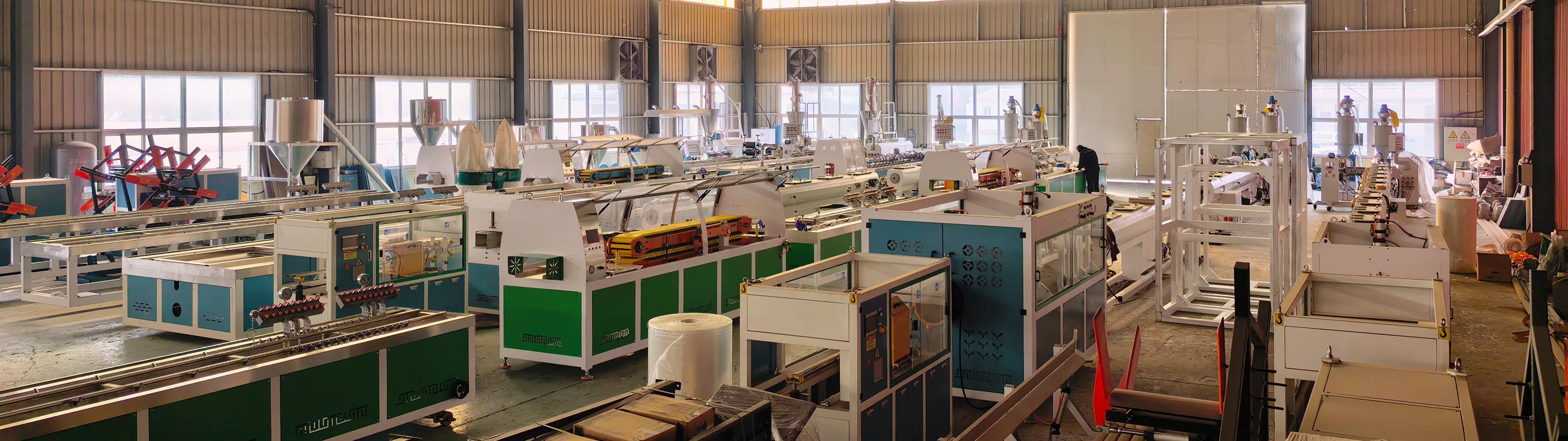
Through repeated experiments and optimized equipment design and formulations, Yongte's wood-plastic conversion line can utilize waste clothing to produce wood-plastic composite (WPC) products. Yongte has developed a mature technological approach for fabric fiber-based WPC production. we supply complete production line for waste clothes recycling to WPC production plant.
I. Core Principles
The primary components of waste clothing include textile fibers such as polyester, cotton, viscose, and nylon, all of which are essentially polymer/plant-based fibers. The conventional wood-plastic formulation consists of a plastic matrix combined with plant fibers (wood powder/bamboo powder). By substituting part of the wood powder with waste clothing fibers or blending them with wood powder, modified wood-plastic profiles can be manufactured.
II. Applicable Raw Materials and Pretreatment (Key Steps)
Priority fabric selection
1. Cotton, cotton blends, viscose, and polyester fabrics exhibit the best compatibility.
2. Minimize the use of leather, rubber, metal buttons/zippers, highly elastic spandex fabric, and coated waterproof fabrics, as these impurities can severely compromise extrusion processes, molding quality, and final product strength.
Essential preprocessing workflow
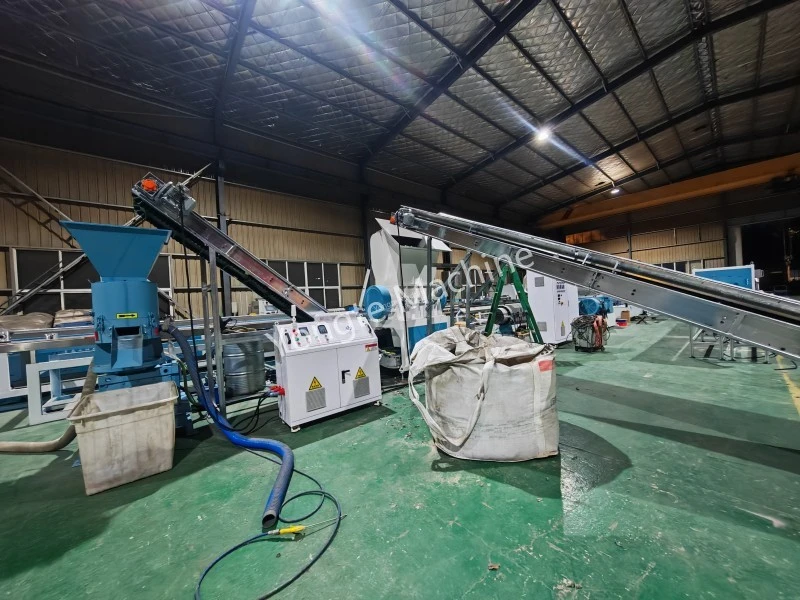
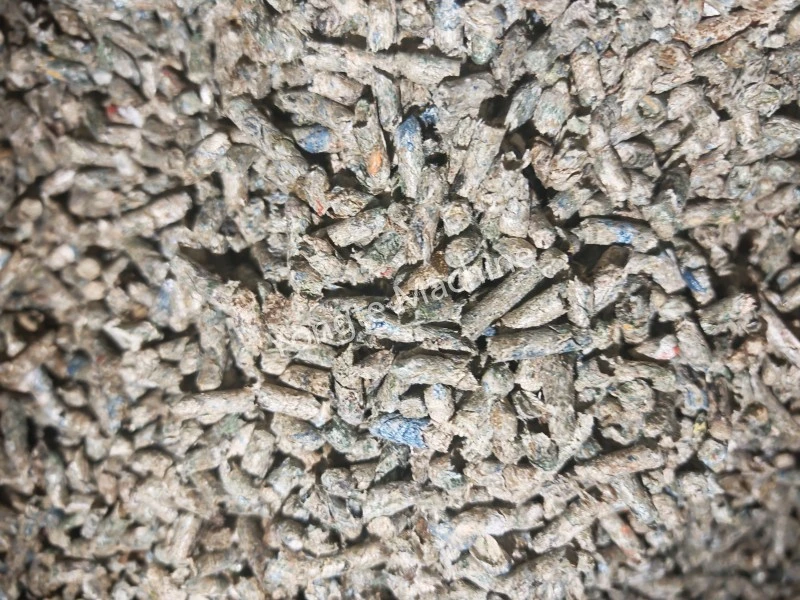
Sorting → Decontamination (removal of hardware and auxiliary materials) → Crushing/Threading (conversion into short fibers) → Granulation (transforming short fibers into granules for optimal transport and processing). Garment fibers cannot be used in their entirety; they must be refined into short fibers to ensure uniform blending with plastics and wood powder.
III. Coordination System and Craftsmanship
1. The commonly used plastic matrices are identical to those of traditional wood-plastic composites: primarily PP and PE, compatible with conventional extrusion, pelletizing, and calendering equipment.
2. Blending Ratio
3. Pure fabric fibers: Typically account for approximately 30% (an excessively high proportion reduces melt flowability and complicates extrusion);
4. For composite application: Mix 20-30% textile fibers with 30-40% wood powder (total fiber filler content 60-70%), along with 30% recycled PP/PE plastic and 5% additives, achieving optimal cost-performance balance.
3. The equipment and additives utilize the same plastic pelletizing machine and wood-plastic extrusion production line. Based on the characteristics of textile fibers, Yongte equips appropriate machinery and screw cylinders; auxiliary agents such as coupling agents, lubricants, and compatibilizers must be added to address issues including poor fiber-plastic interface adhesion, susceptibility to fiber breakage, and product brittleness.
IV. Features of the Final Product
1. Solid waste resource utilization: Processing waste textiles to reduce wood powder procurement costs;
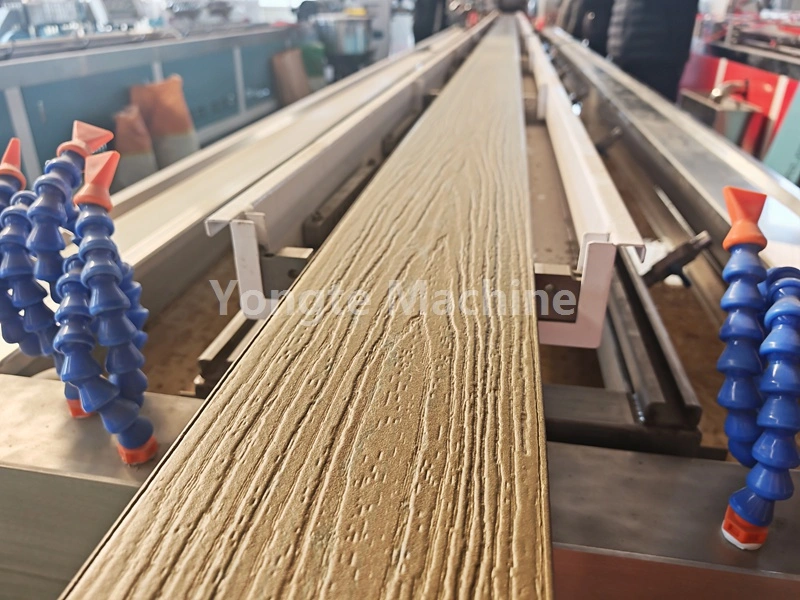
2. The product exhibits superior toughness and impact resistance compared to pure wood powder wood-plastic composites, and is less prone to brittleness or cracking.
3. The density is slightly lower, resulting in better flexibility of the profile for the same weight.
V. Application Scenarios
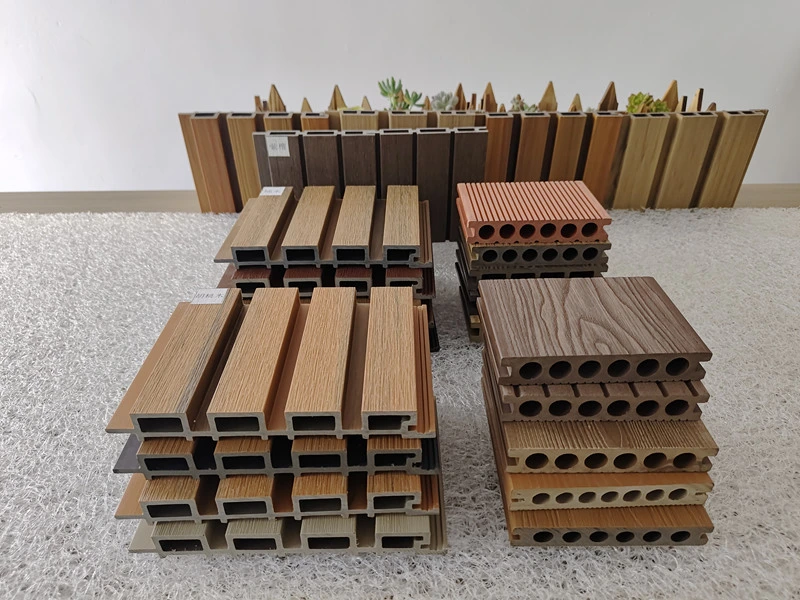
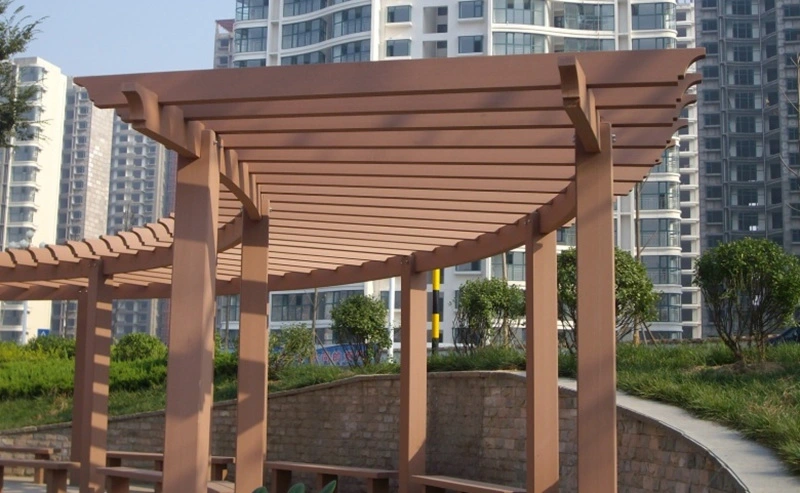
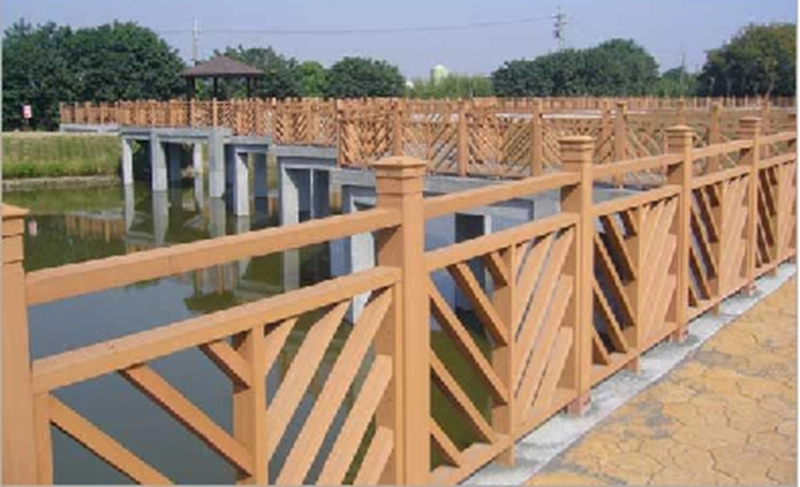
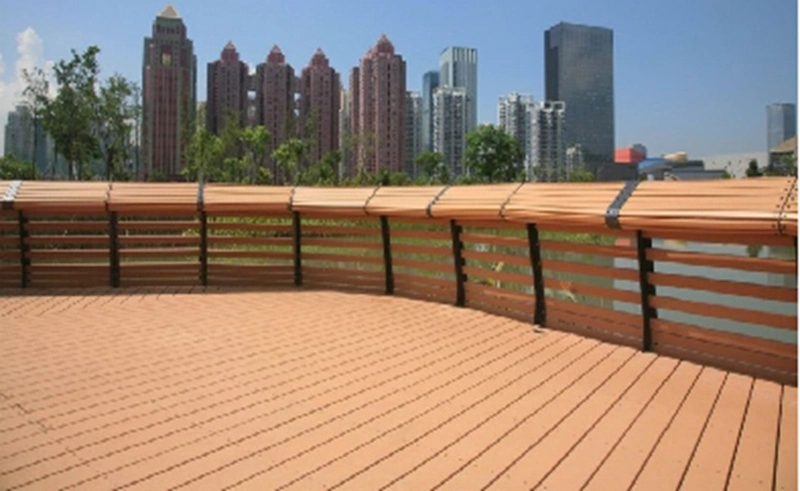
Ideal for wood-plastic products with high toughness, suitable for decorative or outdoor applications:
· Outdoor fences, guardrails, and courtyard panels
· Interior decorative trim, baseboards, door frames
· Packaging pads, logistics pallets, and simple partitions are not recommended; instead, use high-strength load-bearing flooring, structural building components, or materials designed for high-temperature applications.