
Application of WPC Profiles in Container House Construction
Application of WPC Profiles in Container House Construction
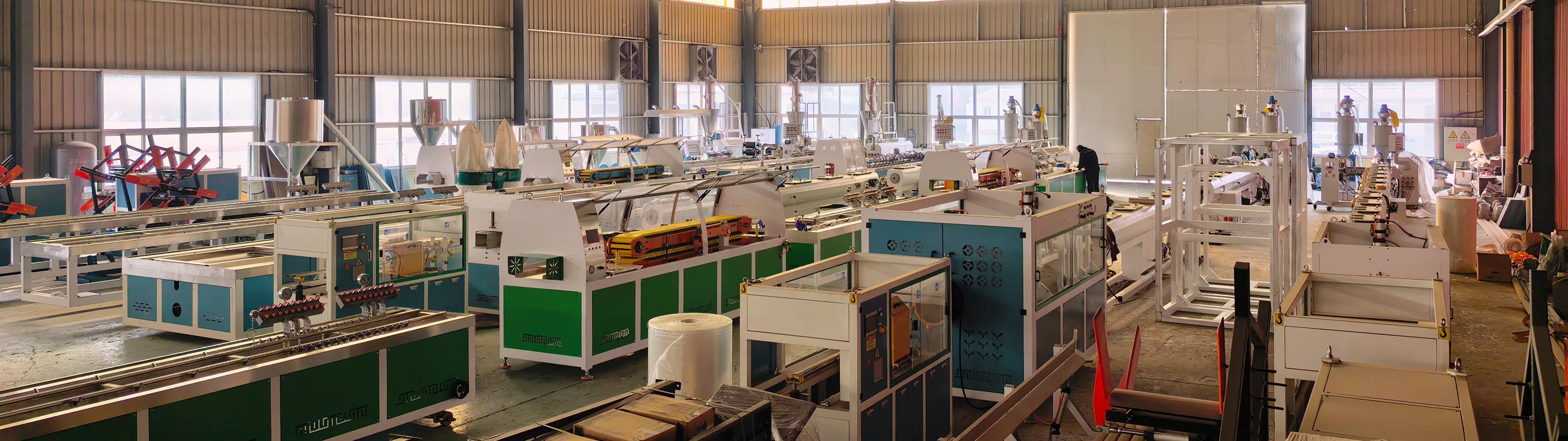
The Yongte WPC profile machine is extensively utilized in the manufacturing sector for producing construction materials by effectively processing and combining recycled plastic with wood fiber materials. This advanced equipment plays a crucial role in supporting sustainable building practices by converting waste materials into durable and high-quality construction products. Its widespread application contributes to reducing environmental impact while meeting the growing demand for eco-friendly building solutions. Can these types of WPC profiles be used in the construction of container houses?
Container housing has gained widespread adoption across temporary offices, camp accommodations, cultural tourism homestays, and emergency shelters, thanks to its modular design, cost efficiency, and rapid construction capabilities. By integrating wood-plastic composite (WPC) profiles, these structures overcome the material limitations of traditional container houses while transforming into eco-friendly, durable, and visually appealing solutions—marking a highly cost-effective advancement in container construction. WPC profiles are engineered from recycled plastics (PE, PP) and agricultural/forestry byproducts (wood powder, bamboo chips) via specialized extrusion processes, merging wood's natural aesthetic with plastic's weather-resistant properties. This innovative material aligns seamlessly with container housing requirements, finding applications in external cladding, internal finishes, and functional systems alike.
Exterior Construction Application
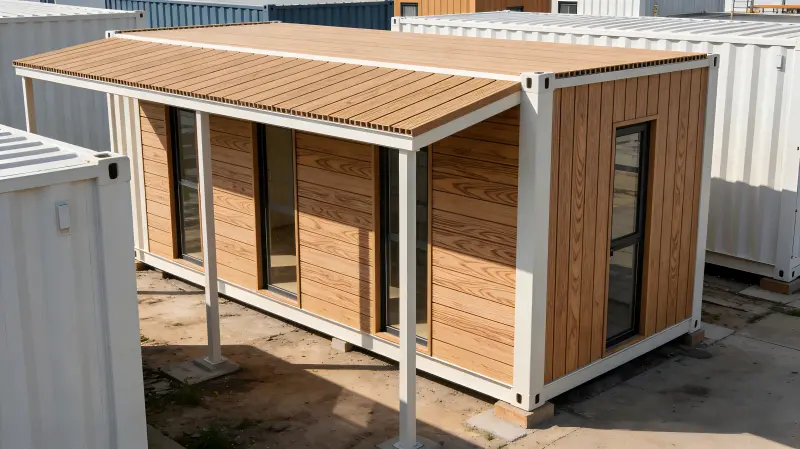
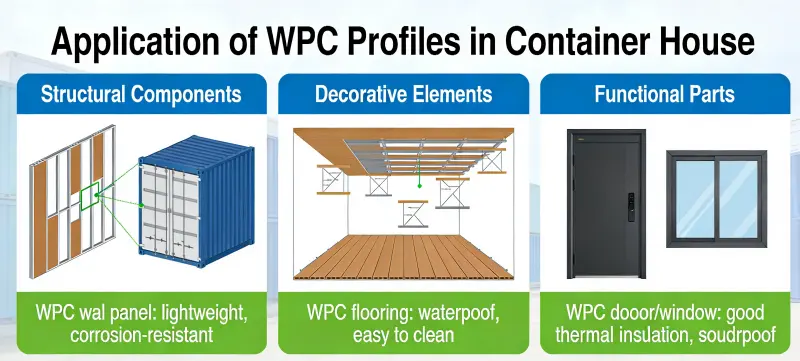
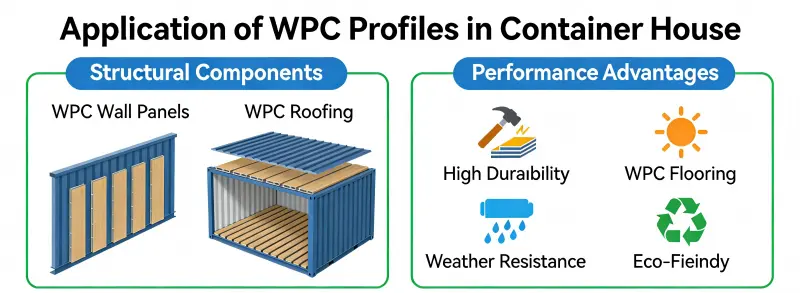
In container housing exterior applications, wood-plastic composite (WPC) profiles serve as a versatile solution for wall cladding, roofing systems, and outdoor structural components. Unlike conventional color-coated steel panels—prone to corrosion, thermal inefficiency, and bland aesthetics—WPC exterior panels deliver superior weatherability and corrosion resistance, effectively withstanding wind, precipitation, and UV radiation. Their long-term performance includes resistance to fading and cracking, while maintaining lightweight properties that avoid overloading container structural frameworks. The modular interlocking design enables streamlined installation, allowing untrained labor to complete assembly with minimal training, thereby accelerating construction schedules. Aesthetic customization is another key advantage: through precision molding, WPC profiles can replicate wood grain, stone textures, and industrial patterns, harmonizing industrial container aesthetics with natural design elements—making them particularly suitable for visually demanding projects like cultural tourism accommodations and creative industrial parks.
Interior Construction Application
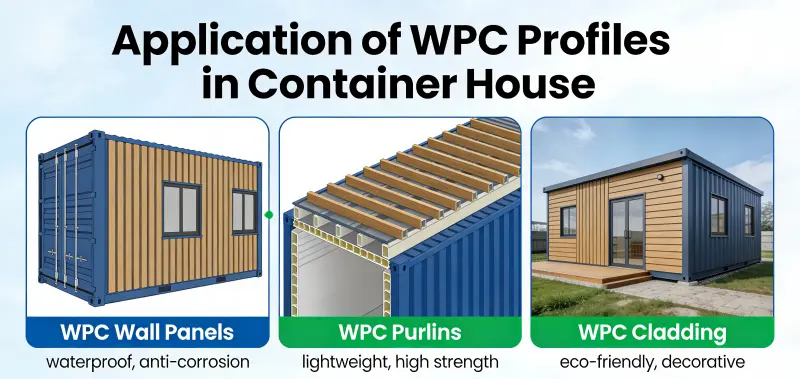
Wood-plastic composite profiles serve as the core material in container housing interior construction, covering floors, walls, ceilings, and furniture. Given the confined indoor spaces of container homes, these materials meet stringent requirements for environmental friendliness and moisture resistance. The profiles emit no formaldehyde or harmful gases, with formaldehyde levels below EU Class EO standards, effectively safeguarding indoor health. They are particularly suitable for long-term stays like camp dorms and emergency shelters. For flooring, the wood-plastic composite offers waterproofing, moisture resistance, and impact resistance, preventing mold growth from moisture buildup. Its comfortable texture requires no complex maintenance—just regular cleaning with water. Ideal for high-traffic areas like fire camps and construction site dorms, the surface remains scratch-resistant even under heavy equipment use. The walls and ceilings feature wood-plastic composite panels that enhance soundproofing and thermal insulation. Their multi-chamber structure reduces heat transfer, while the integrated soundproofing layer keeps noise within acceptable levels, improving living comfort. These panels can also be customized to fit irregular container spaces through modular cutting and assembly.
Functional Application
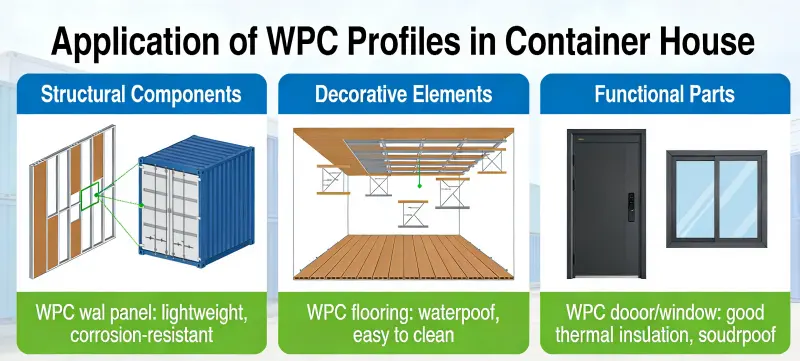
Wood-plastic composite (WPC) profiles have revolutionized container house functionality and cost-efficiency through advanced material engineering and application optimization. In exterior environments, their utility extends beyond terraces and platforms to encompass perimeter fencing, safety handrails, and sunshade structures. Industry-leading products, integrate seamlessly into modular housing systems, providing both structural reinforcement and aesthetic enhancement while maintaining compatibility with container frameworks. Internally, WPC trim has replaced traditional wooden moldings for door/window frames and wall corners, offering superior resistance to insect infestation and thermal deformation while elevating interior design quality. Innovative container house designs further leverage these profiles to fabricate modular, reusable furniture components—including storage units and seating systems—aligning with circular economy principles and sustainable construction practices. Composed of 100% recyclable raw materials, WPC profiles minimize construction waste and carbon footprint, while their 20-30 year service life surpasses traditional wood by 3-5 times, substantially reducing lifecycle maintenance and replacement expenses.
Advantages of WPC profiles using in container house
Wood-plastic composite (WPC) profiles demonstrate superior comprehensive advantages over traditional building materials in container house construction. Compared to solid wood, they eliminate the need for anti-corrosion treatments, reduce maintenance costs by 60-70%, and mitigate deforestation pressures through their recycled material composition. Unlike pure plastics, WPC profiles offer natural wood grain textures and 30% lower thermal conductivity, significantly improving indoor thermal comfort. When contrasted with color-coated steel sheets, they provide 25% better sound insulation (reaching 42 dB), 40% higher thermal resistance (U-value 0.8 W/(m²·K)), and enhanced aesthetic versatility with customizable surface finishes. Amidst stringent environmental regulations and the rising demand for sustainable construction, WPC has emerged as the material of choice for container housing—spanning from basic temporary shelters to high-end cultural tourism resorts, boutique camps, and public utility facilities. As WPC manufacturing technologies advance—including fiber reinforcement and nano-coating innovations—their application scenarios in container construction will further expand, driving modular architecture toward greener, more resilient development pathways.
Previous:Grand Opening Prosperity