
What specifications are required for PPR materials in manufacturing high-quality PPR pipes?
What specifications are required for PPR materials in manufacturing high-quality PPR pipes?
To produce high quality PPR pipes, the PPR material should meet certain specifications.
Firstly, it must have excellent heat resistance to withstand high temperatures during the pipe manufacturing process and subsequent use.
Secondly, the material should possess good chemical resistance, ensuring that it won't be easily corroded by various chemicals in the water or other substances it comes into contact with.
Additionally, high impact strength is crucial to prevent the pipes from cracking or breaking under external forces. Moreover, the PPR material should have stable physical properties over a wide temperature range to maintain the pipe's performance in different environmental conditions.
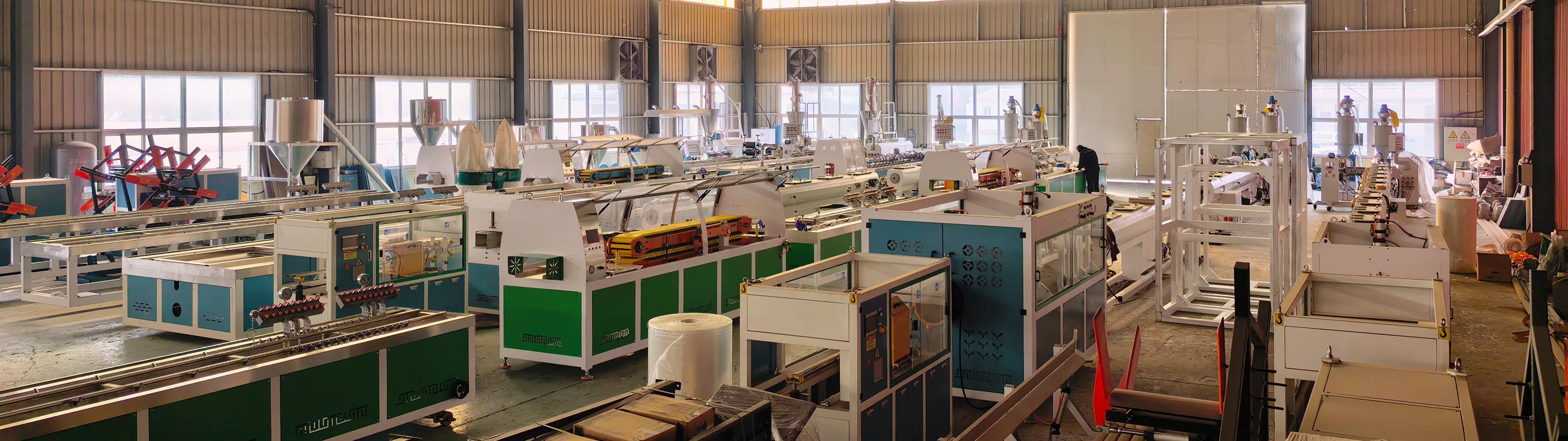
Yongte, as a professional manufacturer for PPR pipe making machines, understands these requirements well and ensures that its machines can process PPR materials that meet these high standards.

Here below are some details of PPR material requirements for Reference:
1. Definition of melt flow rate (MFR): A key parameter for evaluating resin flowability, where lower values indicate poorer flowability and higher molecular weight.
Typical raw material values for PPR pipes: 0.23-0.5 g/10min. Low MFR ensures uniform pipe wall thickness and pressure resistance.
Application impact: MFR <0.3 is suitable for hot water pipes, while 0.3-0.5 is suitable for both hot and cold water pipes.
2. Core mechanical property indicator: Tensile yield strength ≥21.0 MPa, ensuring the pipe material does not undergo plastic deformation under working pressure.
Fracture elongation: ≥600%, providing the pipe with excellent flexibility to prevent bending-induced fractures during installation and use.
Impact strength: ≥22 kJ/m², ensuring the pipe can withstand certain impacts during transportation and construction without damage.
3. Key thermal performance indicators:
Vickers softening point: ≥130℃, determining the upper limit of long-term pipe usage temperature. PPR pipes can typically withstand prolonged exposure to hot water at 95℃.
Thermal deformation temperature: 70-72℃, reflecting structural stability under high temperatures and ensuring the safety of hot water systems.
4. Core durability performance indicators:
Static hydraulic strength: ≥4.2 MPa at 95°C for 165 hours, compliant with GB/T 18742.2, ensuring a 50-year service life.
Hygiene indicators: Conforms to GB/T 17219 "Safety Evaluation Standard for Drinking Water Distribution Equipment and Protective Materials", non-toxic and odorless, suitable for direct drinking water systems.