What is the service life of PPR pipe molds made from different materials?
What is the service life of PPR pipe molds made from different materials?
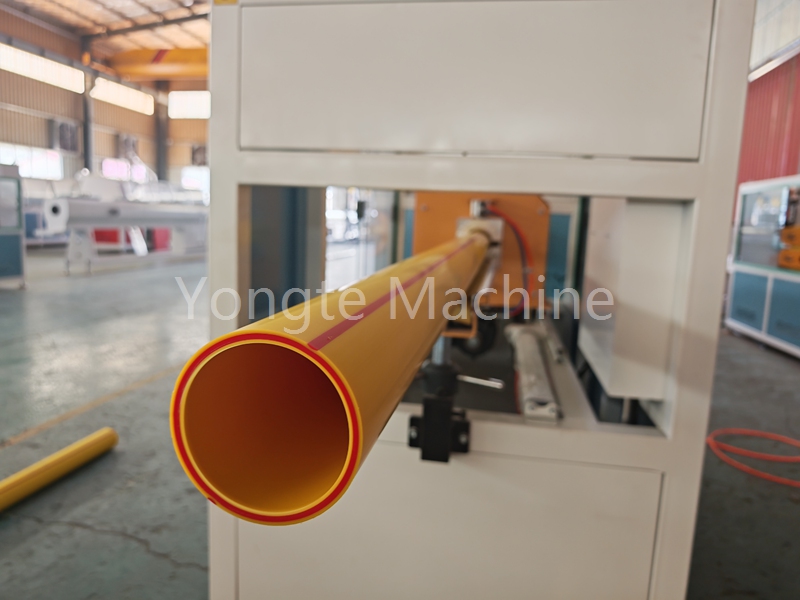
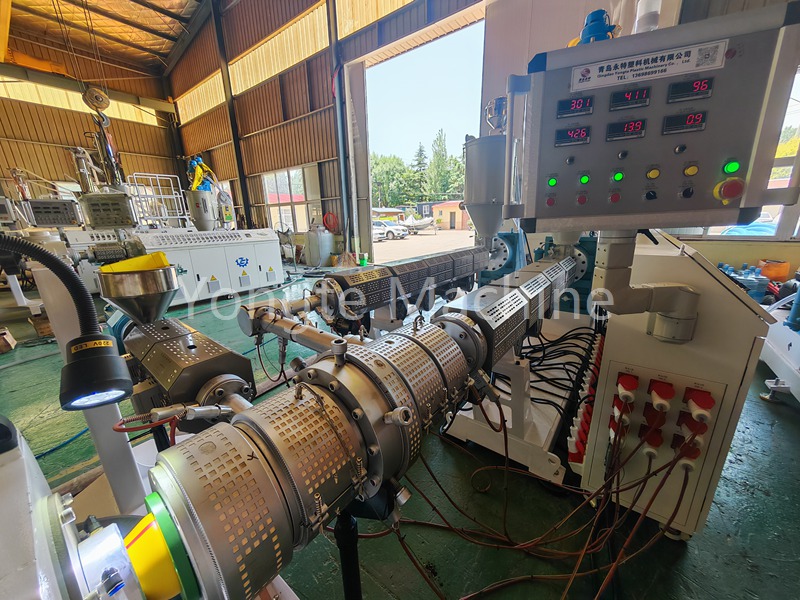
PPR pipe mold is one of the core component of PPR pipe extrusion line which is specially used for control the PPR pipe size and thickness. The service life of ppr pipe molds is not fixed,primarily determined by three key factors:Mold material,production conditions,and routine maintenance.the industry typically measures this lifespan by actual operating hours or the total tonnage of produced pipes.
I.reference service life of different material moulds
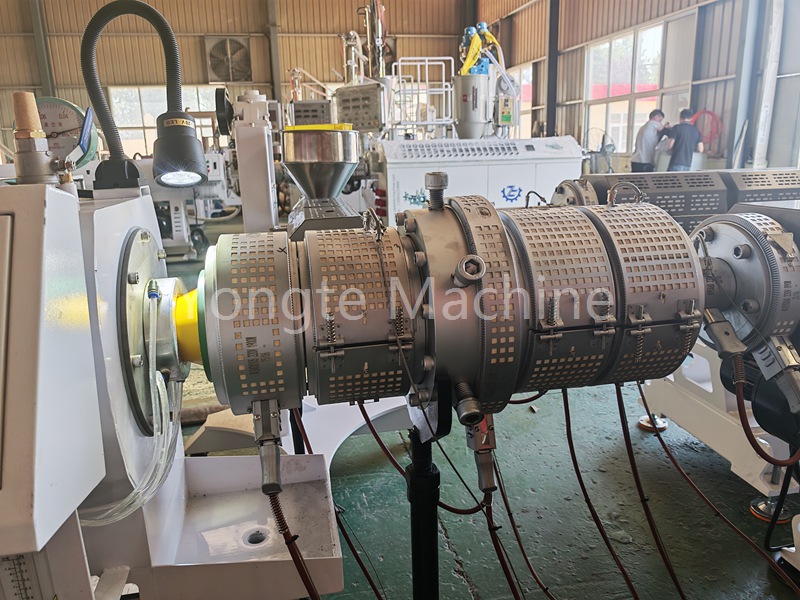
The material and surface treatment of ppr pipe molds'core components(core and sleeve)are the most critical factors determining their service life.common types and lifespans are as follows:
1. Common carbon steel+surface hard chrome plating
① Characteristics:Low cost,medium surface hardness(hv500–600),and average wear resistance.
② Reference lifespan:Designed for small-batch,low-frequency production with an operational duration of approximately 2000–3000 hours,or for manufacturing ppr pipes in quantities of 500–800 tons.
③ Limitation:The flow channel is prone to be scratched by raw material impurities,leading to coating detachment and a significant reduction in subsequent flight capability.
2. Nitrided steel(e.g.,38crmoal)+nitriding treatment
① Key features:High cost-performance ratio with surface hardness reaching hv800–1000,outperforming hard chrome-plated molds in wear and corrosion resistance.
② Reference service life:5,000–8,000 hours under standard operating conditions,or 1,500–2,500 tons of pipe production,which is the mainstream choice in the current market.
3. High-quality die steel(e.g.,h13)+deep nitriding+polishing treatment
① Characteristics:High hardness,excellent toughness,smooth surface finish of the flow channel(achieving ra0.2 or below),strong wear resistance and corrosion resistance.
② Reference service life:Designed for continuous mass production,with an operational duration of 8,000–12,000 hours or longer.the production capacity exceeds 3,000 tons of pipes,making it the preferred material for high-end precision molds.
II.key factors affecting die life
1.production condition
① Extrusion temperature:Prolonged overheating(above 220°c)accelerates mold metal fatigue,causing runner deformation and reduced hardness;significant temperature fluctuations also exacerbate wear.
② Continuous production:Frequent start and stop will cause the mold alternating between hot and cold,which will produce thermal stress crack and shorten the life of the mold.continuous and stable production is more conducive to prolonging the service life of the mold.
2. Purity of raw material
① If metal particles,sand,or other hard impurities are mixed into the raw material,they will directly scratch the inner walls of the mold runner,damaging the surface hardness layer and significantly shortening the service life.it is recommended to install a double-layer filter screen with a mesh size of≥80 mesh before feeding the raw material.
3. Daily maintenance
① Cleaning frequency:Clean residual carbonized materials and raw materials in the runner promptly after mold changes or machine shutdowns to prevent corrosion of mold surfaces.
② Anti-rust treatment:Idle molds must be thoroughly cleaned and coated with anti-rust oil,then stored in a dry and well-ventilated environment to prevent corrosion.
③ Calibration and repair:Regularly inspect the concentricity and dimensional accuracy of the mold core and sleeve.minor scratches can be repaired by polishing to prevent the expansion of small damages.
III.criteria for determining mold scrap
The mold must be repaired or replaced when the following conditions occur,even if the reference lifespan has not been reached:
1. The pipe dimensions exceed the permissible tolerance(outer diameter and wall thickness deviations beyond gb/t 18742 standard),and cannot be corrected by adjusting the die sleeve position.
2. The inner wall of the mold runner has obvious scratches and depressions,which lead to the defects of groove and pockmarks on the surface of the tube.
3. The core or sleeve of the die is cracked or deformed,and the extrusion flow is unstable.