
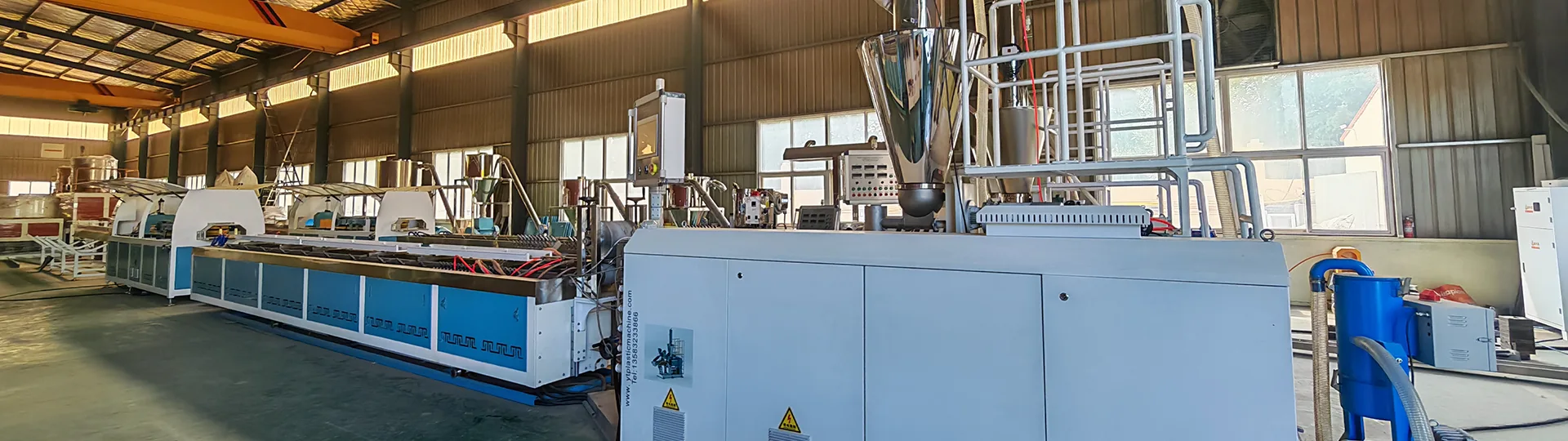
Coconut Shell Recycling and Reusing Solution
Coconut Shell Recycling and Reusing Solution: Turnkey Project for transfer coconut shell wastage into high value WPC building material
Abstract
Yongte Coconut Shell Recycling and Reusing Solution is specifically designed for the resource recovery of various types of waste coconut shell biomass. It is perfectly compatible with recycled PP/PE/ABS plastics, agricultural film scraps, and industrial fiber waste. The solution transforms coconut shell waste into high-value WPC building materials, such as decking boards, wall panels, and outdoor furniture components. These materials exhibit superior durability, moisture resistance, and dimensional stability compared to conventional wood products. The integration of coconut shell fibers enhances mechanical strength while reducing reliance on virgin polymers, thereby contributing to a lower carbon footprint and promoting circular material flows in construction applications.
The solution leverages advanced compounding technology to ensure the uniform dispersion of coconut shell particles within the polymer matrix, significantly enhancing mechanical strength and dimensional stability. Additionally, it incorporates a proprietary surface treatment process that improves interfacial adhesion between organic fillers and synthetic polymers, resulting in superior durability and weather resistance suitable for outdoor applications.
We deliver one-stop turnkey equipment integrating coconut shell crushing, fine pulverizing, deep dehydration and drying, compound granulation, and profile extrusion. This builds a fully closed-loop circular economy system that transforms low-value discarded coconut shell residues into high-strength, long-service-life eco-WPC finished products. These products are applied in sectors such as construction, logistics, industrial packaging, aquaculture, transportation, municipal landscaping, and consumer goods. This article elaborates on the core material compatibility, full-process production workflow, diversified application scenarios, and exclusive technical advantages of Yongte’s coconut shell recycling WPC production lines.
1. Introduction: The Urgency of Coconut Shell Recycling & WPC Industrial Value
Every year, the global coconut processing plantations, tropical food manufacturing, fruit processing and agricultural industries generate over 60 million tons of waste coconut shell biomass worldwide, including fresh green coconut shells, dry mature coconut shells, copra processing scraps, coconut husk residues, coconut shell cutting offcuts and broken coconut shell fragments. Most coconut shell lignocellulosic waste is directly landfilled, incinerated or discarded arbitrarily: abandoned shells block waterways, breed mosquitoes and pests, while incineration releases massive carbon emissions and air pollutants, causing severe biomass resource waste and ecological pollution. Meanwhile, waste glass fiber and mixed plastic scraps from manufacturing bring extra industrial waste disposal pressure for tropical coconut‑producing countries.
WPC composite technology provides a sustainable green circular solution: it takes massive crushed coconut shell flour as the main reinforcing filler, matched with recycled plastic matrix, to produce new eco‑friendly composite materials. Compared with pure solid wood manufacturing, the coconut‑shell‑based WPC production route drastically reduces deforestation demand, slashes overall carbon emissions by around 32%, and maximizes full‑value reuse of waste coconut biomass and mixed plastic waste.
As a top Chinese manufacturer specializing in extrusion and WPC machinery, Yongte independently develops dedicated coconut shell recycling equipment to process diverse waste coconut raw materials into multi‑field WPC finished products covering municipal engineering, aquaculture facilities, transportation auxiliary parts, industrial packaging, household & commercial decoration besides traditional outdoor landscape materials.
2. Core Raw Material Compatibility: All Waste Coconut Shell Resources Processable by Yongte WPC Equipment
Yongte’s customized screw and barrel structure are optimized for high‑hardness, high‑fiber coconut shell filler formulas, with ultra‑wide adaptability to various coconut biomass and auxiliary recycled plastic materials:
2.1 All Categories of Waste Coconut Biomass (Main Filler, 50%–70% Formula Ratio)
‑ Coconut processing waste: Fresh green coconut shells, dry mature coconut shells, copra leftover shells, coconut husk fragments, coconut shell cutting offcuts, broken discarded coconut shells from food factories
‑ Mixed agricultural lignocellulosic supplements: Rice husk, wheat straw, bamboo scraps, palm fiber, fruit branch residues (can be mixed with coconut shells to adjust composite flexibility)
‑ Other biomass waste: Garden pruning wood, waste log leftovers (blending optional)
2.2 Recycled Plastic & Industrial Auxiliary Waste (Matrix Carrier, 20%–40% Formula Ratio)
‑ Rigid recycled plastics: Waste PP/PE bottles, damaged plastic containers, industrial hard plastic scraps, ABS electronic shell waste
‑ Flexible plastic waste: Waste agricultural mulch film, shopping bags, packaging LDPE/LLDPE film (the primary plastic waste in coconut‑growing tropical farmlands)
‑ Industrial fiber waste: Coconut sheel, Straw, sawdust, Glass fiber leftover scraps, composite material trimming waste, wind turbine blade fiber waste
2.3 Key Technical Advantage
Yongte coconut shell WPC production line tolerates mixed recycled plastic raw materials with impurity content up to 5% after pre‑cleaning; mixed coconut shell varieties blended with straw/wood biomass can be directly fed without strict classification, greatly lowering pre‑processing labor and raw material sorting costs.
Specially optimized crushing and drying modules solve the core pain point of coconut shells: strong water‑locking sponge fiber structure and ultra‑high natural moisture, eliminating bubbling, stratification and cracking defects in finished products caused by excess moisture.
3. Turnkey Closed‑Loop Process: Waste Coconut Shell → High‑Quality WPC Finished Products
Yongte delivers a full‑chain integrated solution covering coconut shell pretreatment to finished profile cutting and surface finishing, realizing fully automatic material conveying and minimal raw material loss throughout production.
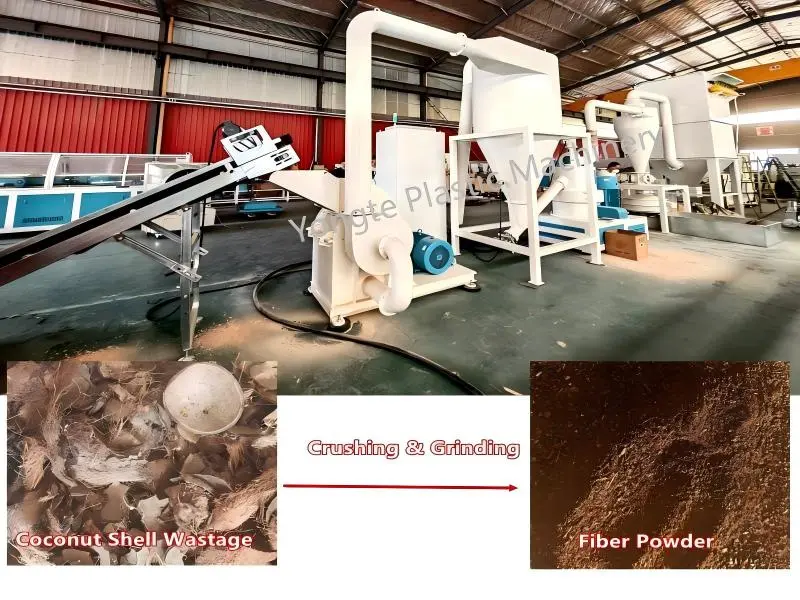
3.1 Step 1: Waste Coconut Shell Pretreatment (Coarse Crushing → Fine Pulverizing → Deep Dehydration & Drying)
‑ Coarse crushing: Heavy‑duty reinforced coconut shell shredders break hard whole coconut shells and large fragments into uniform 5–10 mm coconut shell chips, specially reinforced cutter teeth to resist high‑hardness coconut shell abrasion
‑ Fine pulverizing: Custom high‑torque coconut shell flour pulverizer processes shell chips into 40–100 mesh fine coconut shell flour matched for WPC compounding; upgraded rotor design offsets high milling resistance of dense coconut fiber to stabilize production capacity
‑ Deep dehydration & double‑barrel drying system: Screw squeeze pre‑dehydration removes free water first, then dual‑channel hot air drying reduces coconut shell flour moisture to ≤2%, fundamentally eliminating steam bubbling and surface defects in subsequent extrusion molding
3.2 Step 2 : Waste Plastic Pretreatment (Crushing → Washing → Drying)
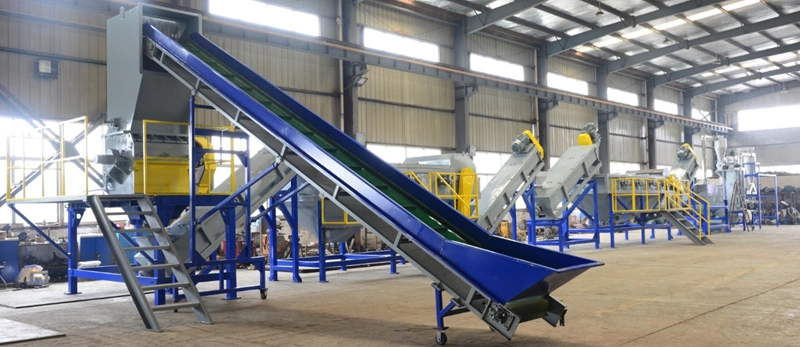
- Crushing: High-speed shredders reduce plastic films, rigid scraps, and glass fiber waste into 5–10mm flakesYongte.
- Washing: Friction washers and floating separation tanks remove dirt, adhesives, and non-plastic contaminants (e.g., paper, metal).
- Drying: Squeeze dryers and hot-air ovens lower moisture content to ≤2% (critical for preventing WPC bubbling during extrusion)Yongte.
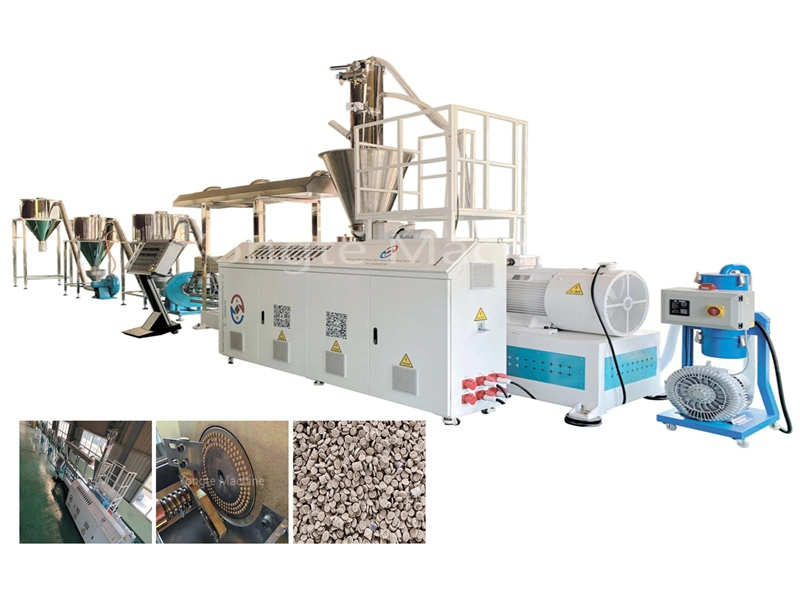
3.3 Step3: High‑Speed Mixing & WPC Compounding Granulation
‑ High‑speed thermal mixing: Uniformly blend fully dried coconut shell flour (50‑70%), recycled plastic flakes (20‑40%) and functional additives (coupling agent, PE wax, stearic acid, anti‑UV stabilizer, compatibility modifier for coconut fiber‑plastic interface)
‑ Parallel twin‑screw granulation unit: Melt and homogenize the coconut shell‑plastic mixture at constant temperature 150‑190°C, cut into uniform, stable coconut‑shell‑based WPC composite pellets standby for profile extrusion
3.4 Step 4: WPC Profile Co‑Extrusion & Post Finishing
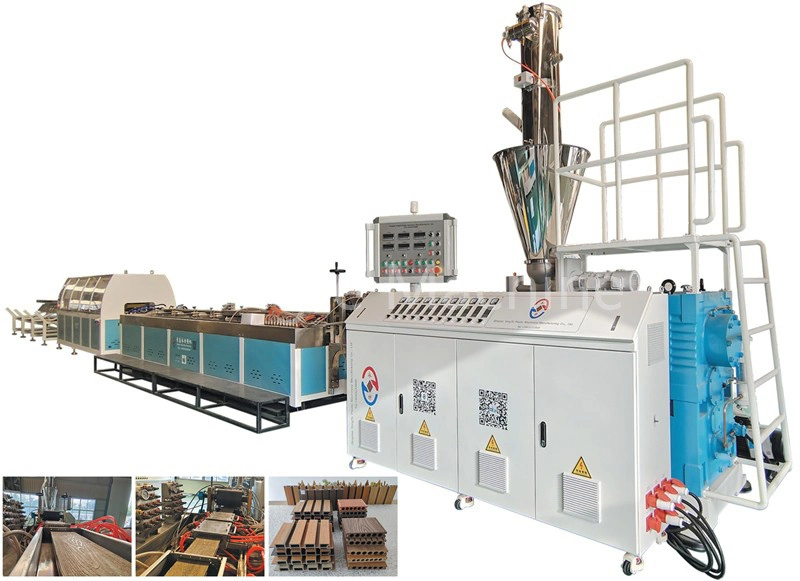
‑ Co‑extrusion molding: Single/twin‑screw main extruder processes coconut‑shell WPC pellets into solid/hollow profiles; co‑extrusion head covers a compact wear‑resistant surface layer to boost weather resistance, scratch resistance and texture
‑ Online Embossing for 3D natural texture: Advanced thermal pressing technology forms delicate grain texture unique to coconut composite; embossed surface delivers anti‑slip performance. Unlike traditional printing, integrated online embossing ensures long‑lasting patterns without peeling or fading
‑ Cooling calibration & automatic cutting: Water cooling vacuum shaping tank fixes profile dimensions precisely; servo automatic cutter ensures consistent finished product length
‑ Optional surface treatment: Embossing, sanding and brushing machines optimize surface touch and texture, upgrading the decorative appearance of coconut‑shell WPC products
3.5 Full Closed‑Loop Recycling Feature
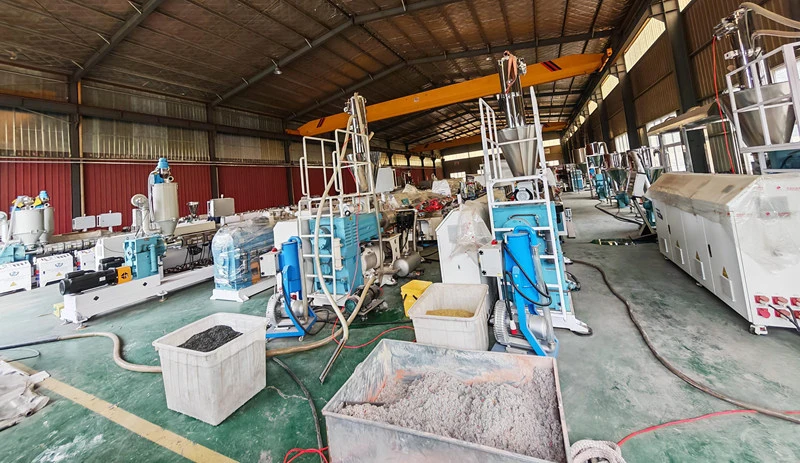
Scraps generated during WPC production, offcut profiles and expired waste coconut‑shell WPC finished products can be re‑crushed, reground and re‑extruded without obvious decline in mechanical performance, realizing 100% full‑cycle closed‑loop recycling of coconut shell wood‑plastic composite materials.
4. Technical Advantages of Yongte Coconut Shell Recycling WPC Equipment
4.1 Special Screw & Barrel Design Adapted for High Hardness Coconut Shell Filler Formulas
‑ Conical parallel twin‑screw core configuration: Delivers ultra‑high torque to realize stable continuous processing of high‑proportion coconut shell flour formulas (up to 70% coconut shell filler content)
‑ Bimetallic fully wear‑resistant barrel: Resists severe abrasion from rigid coconut shell particles and glass fiber impurities, extending equipment service life by over 40% compared with ordinary standard barrels
‑ Segmented temperature control system customized for coconut fiber: Prevents local over‑carbonization of coconut shell flour during melting compounding
4.2 High Production Efficiency & Obvious Operating Cost Reduction
‑ Wide capacity range: Single complete line stable output 300‑800 kg/h, covering small pilot coconut processing factories to large‑scale industrial biomass recycling plants
‑ Energy‑saving design: Full servo drive motor + segmented intelligent hot air drying system cuts comprehensive power consumption by about 20% versus traditional universal WPC equipment (critical for high‑moisture coconut shell raw material drying)
‑ Raw material cost advantage: Waste coconut shells and recycled plastic scraps cost only 30%‑50% of virgin plastic and solid wood raw materials; coconut shell waste is free or low‑cost in tropical coconut producing regions
4.3 Excellent Finished Product Performance & Diversified Application Coverage
‑ Stable mechanical indicators: WPC products made from waste coconut shell raw materials reach flexural strength ≥24 MPa and impact strength ≥14 kJ/m², mechanical performance comparable to traditional wood‑flour‑based WPC materials; coconut shell filler brings better anti‑abrasion and anti‑termite properties
‑ Outstanding outdoor adaptability: Rot‑proof, insect‑resistant, anti‑ultraviolet, low water absorption, no cracking or deformation under long‑term tropical high temperature & humidity, zero regular paint maintenance
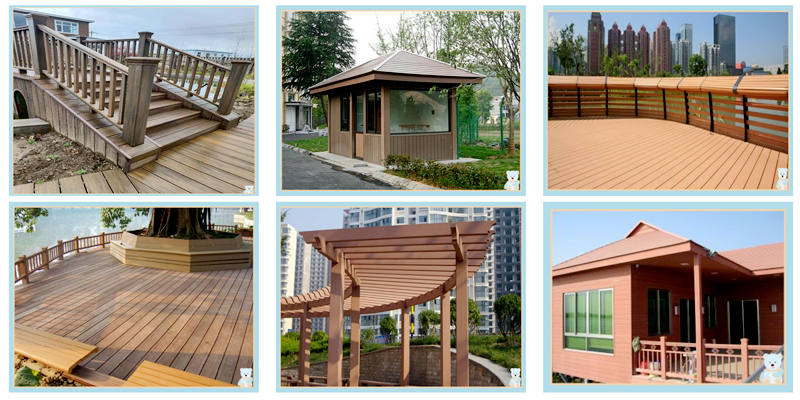
Expanded Application Fields of Coconut‑Shell WPC Products
🔹 Municipal & Landscape Engineering
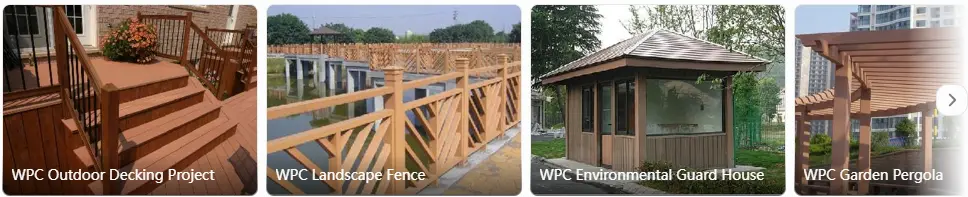
Outdoor landscape decking, garden guardrails, park benches, pavilion components, pool‑side anti‑slip boards, river bank revetment planks, municipal tree grates, sidewalk paving boards, public rest facility components.
🔹 Building & Construction Industry
Interior & exterior wall decorative panels, exterior cladding, window and door profiles, floor substrates, balcony flooring, prefabricated house wall and floor panels, temporary construction site enclosures, formwork substitute boards for building sites.
🔹 Logistics & Industrial Packaging
Heavy‑duty logistics pallets, warehouse storage shelf boards, cargo container lining boards, transport crate panels, export‑grade fumigation‑free packaging materials, replacing traditional solid‑wood pallets to avoid quarantine fumigation requirements.
🔹 Aquaculture & Fishery Facilities
Marine aquaculture floating bed frames, fish‑pond fence panels, breeding cage accessories, dock anti‑corrosion planks, seaside fisherman wharf walkways. Good salt‑spray corrosion resistance, suitable for coastal high‑salt‑humidity working environment.
🔹 Transportation Auxiliary Components
Bus & station platform anti‑slip treads, highway sound‑barrier back boards, roadside guardrail backplates, rest‑area facility parts. Light‑weight, weather‑resistant, low later‑stage maintenance cost.
🔹 Agricultural & Plantation Facilities
Coconut plantation farm fences, crop trellis beams, nursery seedling‑raising trough boards, farm storage shed wall panels, livestock breeding pen partition boards, anti‑rot farm work platform planks.
🔹 Commercial & Household Decoration
Commercial plaza flooring, hotel exterior decorative components, courtyard furniture blanks, outdoor table‑chair raw profiles, garden flower box panels, villa exterior decorative materials.
5. Global Real-World Recycling Project Cases
5.1 India Project: Construction Waste Wood + Agricultural Film into WPC Lumber
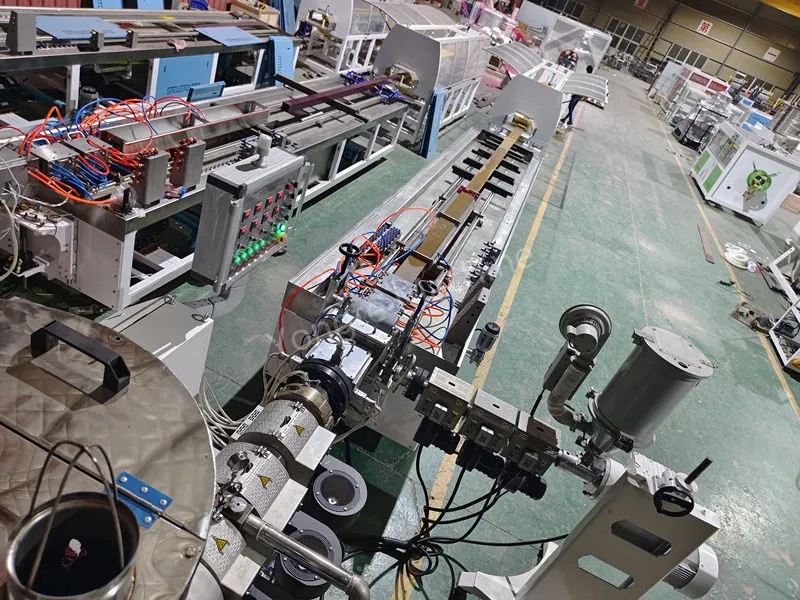
Yongte installed a full waste wood recycling line in India, taking local waste construction wood, mulch film and packaging plastic scraps as raw materials. The line runs at 500kg/h stable output to produce solid WPC lumber for farm guardrails and logistics pallets, thoroughly solving local dual pollution problems of waste wood and agricultural plastic film.
5.2 Canada Project: Industrial Glass Fiber + Waste Sawmill Wood for Premium WPC Decking
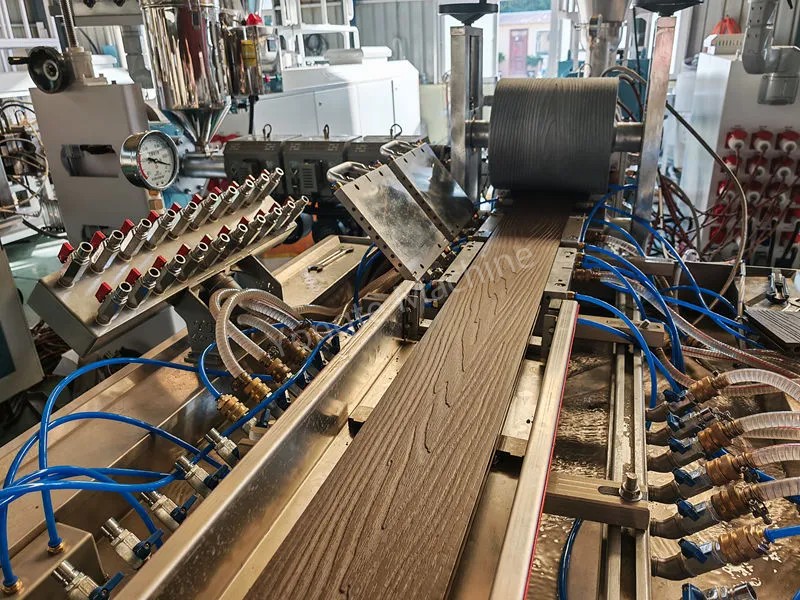
A Canadian environmental protection factory adopts Yongte’s high-filler wood-plastic line, matching 70% waste sawmill wood flour with 26% recycled PE/PP and waste glass fiber, producing high-performance co-extruded WPC decking. The products fully replace natural solid wood decking, with superior rot and insect resistance suitable for high-humidity outdoor scenes.
5.3 Farm Project: Crop Straw & Waste wood into Landscape Building Materials
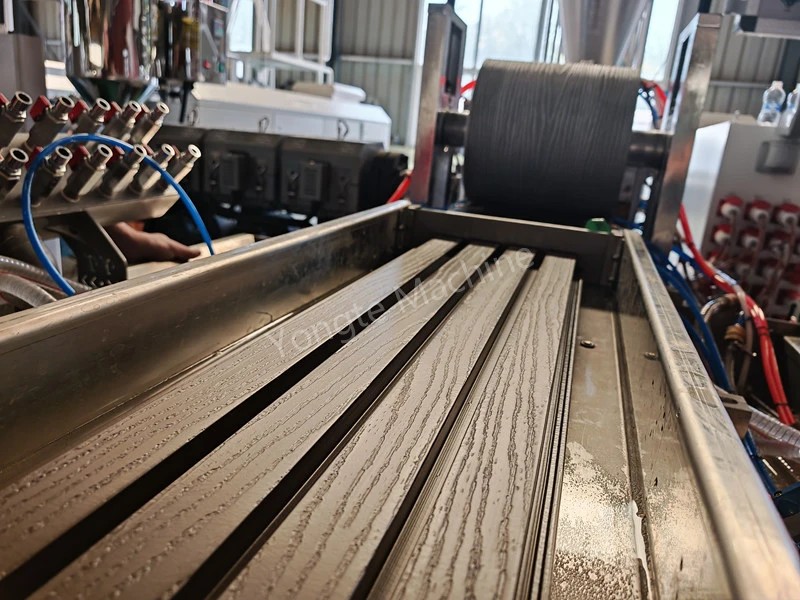
Yongte waste wood recycling and reusing plant targets agricultural waste recycling, using 60–70% waste wood/rice husk/straw mixed with waste agricultural film to produce landscape WPC decking and garden fences, helping farms realize zero-waste disposal of crop biomass waste and create extra eco-material revenue.
6. Conclusion: Empower Global Tropical Circular Economy via Waste Coconut Shell Resource Regeneration
Yongte coconut shell recycling WPC equipment is far more than a single set of extrusion machinery—it is a systematic sustainable waste treatment solution tailored for global coconut‑producing tropical regions to dispose massive waste coconut shell biomass and mixed plastic waste. Relying on full‑process closed‑loop recycling technology that fully valorizes discarded coconut shell resources, our equipment enables manufacturers to achieve multiple core economic and environmental benefits:
- Reduce landfill and incineration volume of massive coconut shell biomass waste, lower enterprise carbon footprint and eliminate tropical environmental pollution from abandoned coconut shells
- Cut raw material procurement expenditure drastically by utilizing low‑cost or free waste coconut shells and recycled plastic scraps abundant in tropical coconut planting areas
- Manufacture high‑margin, market‑demanded eco coconut‑shell WPC composite materials covering construction, municipal, logistics, aquaculture, agriculture and commercial decoration sectors, with unique anti‑insect, anti‑abrasion and salt‑corrosion‑resistant advantages.
With worldwide rising demand for circular economy and carbon neutrality solutions, especially booming waste biomass treatment demands in Southeast Asian, South Asian and Caribbean coconut‑producing countries, Yongte keeps optimizing coconut‑shell‑targeted WPC recycling technology, turning discarded coconut shell waste into valuable green composite products, and jointly building a low‑carbon, fully recyclable tropical ecological industrial future.