
How to Make Rubber Soaker Pipe from Rubber Tyre Wastage?
Full Waste‑Tyre Recycling Solution to Rubber Soaker Irrigation Pipes
Introduction
Against the global backdrop of advancing circular economy and carbon‑neutral goals, end‑of‑life waste tyres have become a notorious “black pollution” hazard worldwide. Massive stockpiling, random landfilling and uncontrolled incineration of scrap tyres trigger severe soil & water contamination, frequent fire risks and substantial waste of reusable rubber, steel and fibre resources. There is surging market demand for mature, low‑pollution and profit‑driven tyre recycling technologies that can convert waste rubber into high‑value downstream finished goods.
Our integrated closed‑loop modular waste tyre recycling system perfectly addresses these pain points. It mechanically processes scrap tyres into high‑purity rubber powder, and further extrudes the powder into premium rubber soaker irrigation pipes. This solution balances environmental governance, resource regeneration and commercial profitability, bringing sustainable revenue opportunities for recyclers, agricultural manufacturers and environmental investors globally.
✨ Core Selling Highlights
🔁 Complete Closed‑Loop Production Process
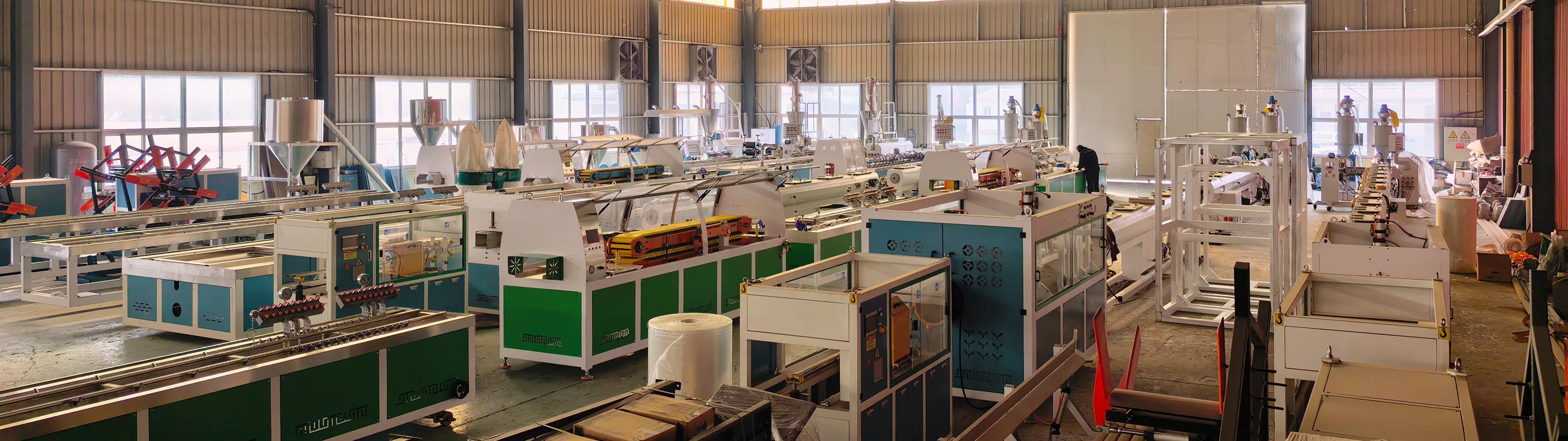
Adopting purely physical mechanical recycling without pyrolysis, the whole production chain avoids secondary pollution and maximises resource recovery. The full‑step workflow is demonstrated below:
Waste Tyres → Debeading (Wire‑ring Drawing) → Primary Cutting → Shredding → Crushing → Fine Grinding → Magnetic Separation → Fibre Airflow Separation → High‑purity Rubber Powder → Batching & Auto Feeding → Single‑screw Extrusion → Pore Foam Forming → Cooling Setting → Traction Pulling → Winding & Finished Rubber Soaker Irrigation Pipes
Detailed process breakdown
- Debeading / Wire‑ring Drawing: Special double‑hook wire drawing machine strips hard steel bead wires from whole waste tyres in advance. This critical step removes rigid metal components to prevent cutter and shredder blade damage in subsequent working procedures, extending the service life of downstream core equipment.
- Primary Tyre Cutting: Complete large‑size waste tyres are sliced into uniform, processable fragments. This low‑power, stable cutting procedure prepares feedstock for the shredding station.
- Shredding: Heavy‑duty high‑torque shredder further reduces tyre fragments into approximately 50 mm rubber blocks for further size reduction.
- Crushing: Rubber blocks are crushed into small rubber flakes, optimising material particle status to guarantee stable and efficient fine‑grinding performance.
- Fine Grinding & Powder Making: High‑speed adjustable‑blade grinding disk with built‑in circulating cooling structure. Internal cooling effectively restrains material overheating caused by high‑speed friction. Output adjustable rubber powder within 5‑40 mesh specifications.
- Magnetic Separation: Powerful magnetic separator thoroughly sifts residual steel particles mixed inside rubber flakes and powder, achieving steel recovery rate up to 98%.
- Airflow Fibre Separation: Airflow classification technology blows away textile fibre impurities mixed in rubber materials. After dual separation treatment, the purity of final recycled rubber powder reaches ≥99%. Separated steel wire and fibre can be collected as saleable by‑products.
- Auto Batching & Feeding: Qualified high‑purity rubber powder mixes proportionally with PE granules and functional additives; automatic feeding system steadily delivers compound raw materials to extruder.
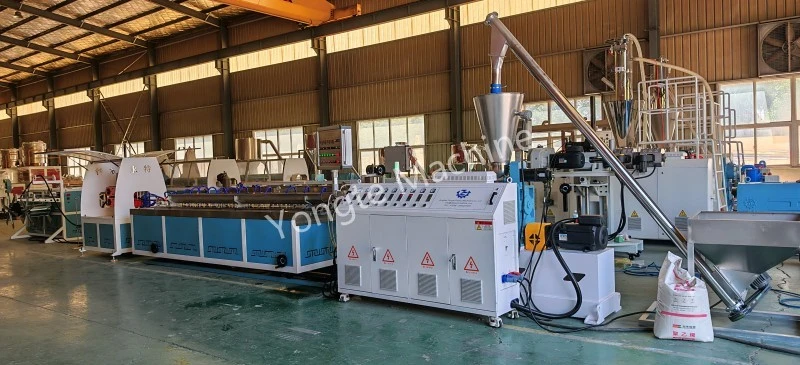
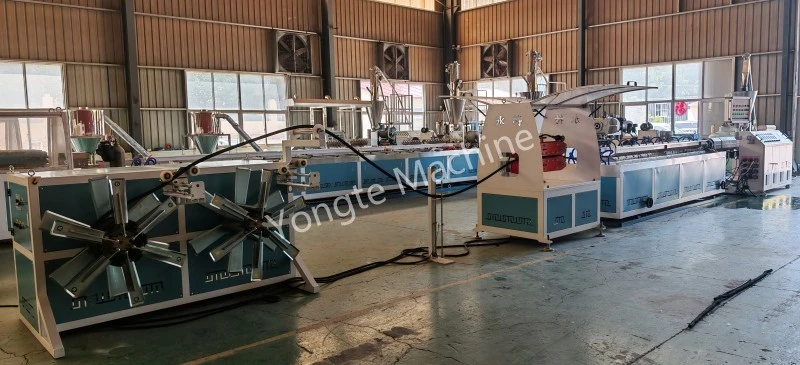
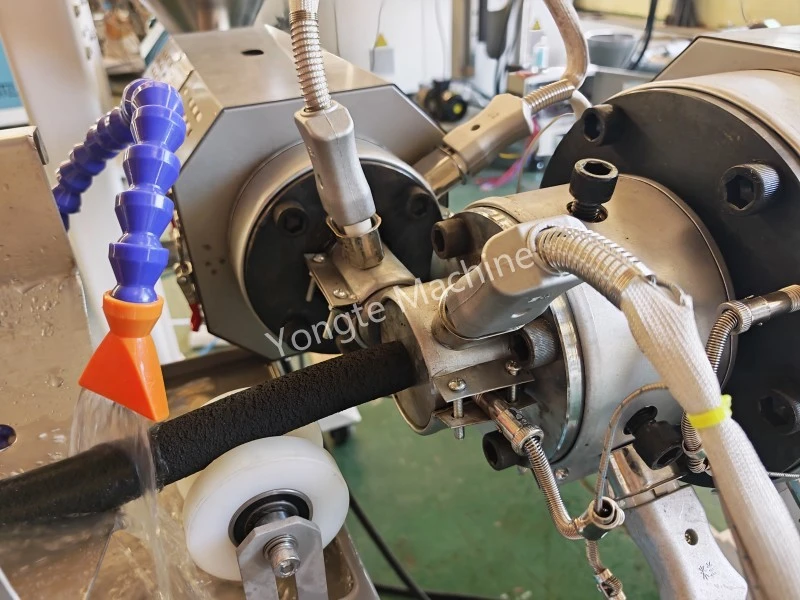
- Single‑Screw Extrusion & Pore Foaming: SJ65 servo‑driven single‑screw extruder melts and plasticates mixed materials. Controlled foaming generates evenly distributed pore structure inside pipe bodies, which defines the core high‑permeability feature of soaker irrigation pipes.
- Cooling & Setting: Fresh extruded hot pipe blanks go through multi‑stage cooling sections for dimensional shaping to guarantee stable outer diameter and wall thickness.
- Traction: Servo‑controlled traction unit pulls pipes at adjustable speed, matching extrusion output speed to avoid pipe deformation, with production speed ranging from 3‑10 m/min.
- Auto Winding: Single‑position or dual‑position automatic winder neatly coils finished rubber soaker irrigation pipes for convenient storage, transport and subsequent packaging.
📈 Dual‑Profit Business Mode
Two revenue streams for flexible operation:
- Sell high‑purity rubber powder directly for rubber mats, modified asphalt, sports ground materials, gaskets, seals and waterproof products
- Further extrude rubber powder into high‑margin rubber soaker irrigation pipes for agricultural & environmental projects Additional income from by‑products: recycled steel wire & textile fiber separated from tyres.
⚙️ Superior Separation & Stable Equipment Performance
- High separation rate: rubber ≥99%, steel ≥98%, complete fiber removal; final rubber powder: 5‑40 mesh adjustable
- RTR500 tyre recycling line: capacity 500‑600 kg/h; SJ65 soaker pipe extrusion line: output 80‑120 kg/h, pipe diameter 9‑32 mm adjustable
- Fully‑automatic operation, low noise, low maintenance; CE certified with 3‑year warranty; modular layout supports phased capacity expansion and easy on‑site installation.
💎 Outstanding Finished‑Pipe Features
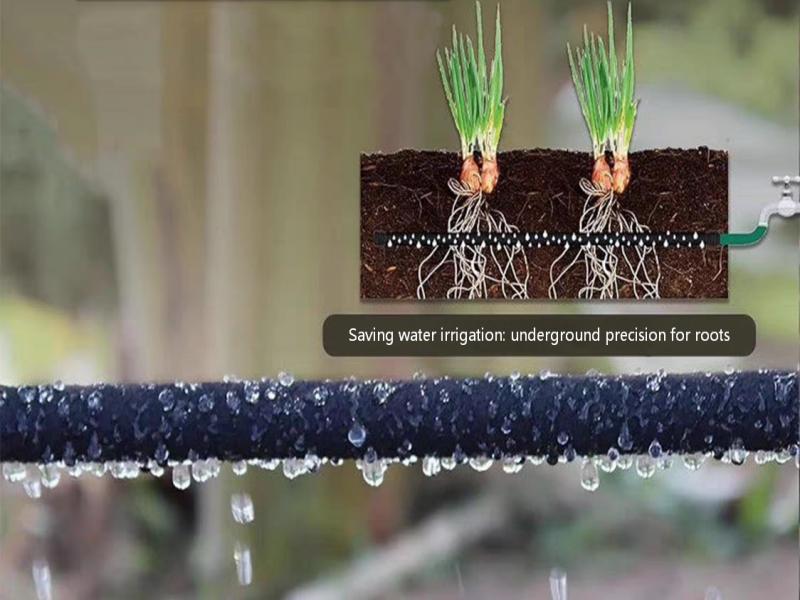
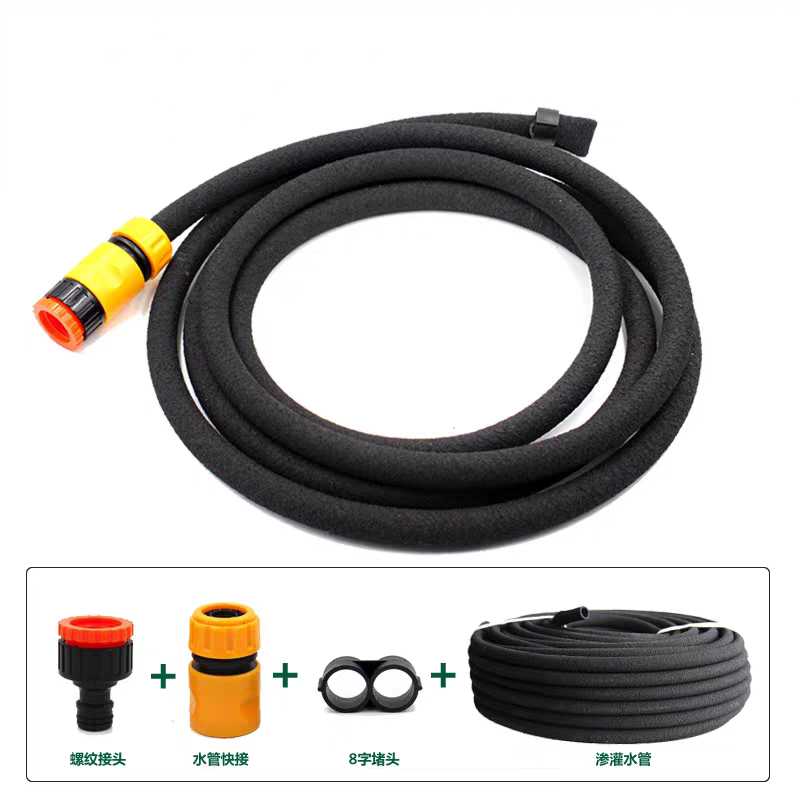
- Uniform pore foaming structure; permeability 2‑3 times higher than ordinary irrigation hoses; excellent anti‑clogging performance with molecular‑sieve filtering effect to intercept silt and microbes
- Long service lifespan: 10‑15‑year anti‑aging performance; installation & maintenance costs cut by 40‑60%
- Eco‑friendly raw material sourced from waste tyres; end products are fully recyclable after service life.
🌍 Wide Application Scenarios
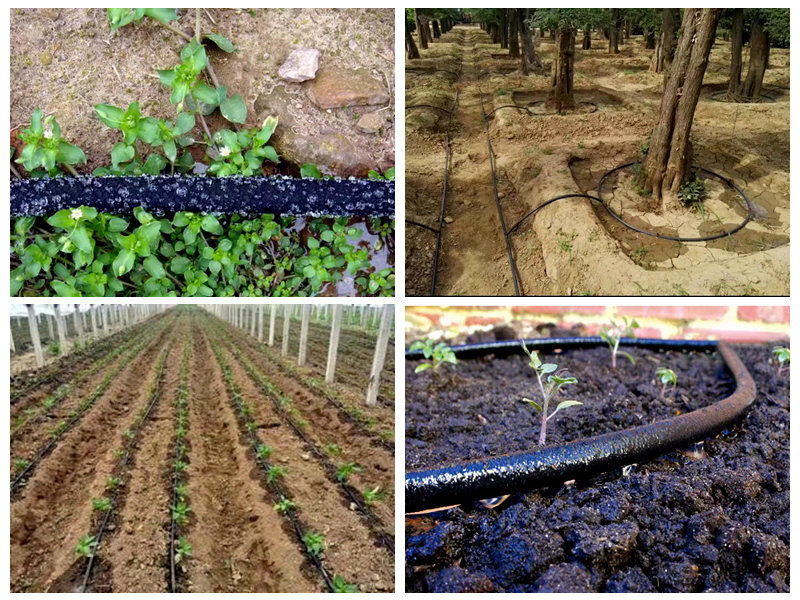
Fit for agricultural water‑saving seepage irrigation, aquaculture oxygenation, urban rainwater infiltration & flood control, groundwater remediation, sewage reuse and other water‑management projects; rubber powder applies to flooring, gaskets, waterproof materials and rubber‑modified asphalt sectors.
💰 Attractive Return on Investment
Low‑cost raw material of widely‑available waste tyres. The typical payback period for the complete medium‑scale line ranges 12‑24 months, subject to local raw‑material cost and market condition.